Rovix Motion
The market for Hot Sale Gear Motors is evolving rapidly. According to a recent report by ResearchAndMarkets, the global gear motor market is projected to grow at a CAGR of 6% from 2023 to 2026. This growth suggests a rising demand for innovative and efficient gear motor solutions across various industries.
Experts in the field have noted the key trends shaping this market. Dr. John Anderson, a leading authority in motion control systems, emphasizes, "The future of Hot Sale Gear Motors hinges on energy efficiency and adaptability." His insights highlight the need for manufacturers to focus on sustainable designs.
As demands shift, gear motor designs are becoming more complex. Manufacturers are incorporating advanced technologies, such as IoT and AI, into their products. However, this also raises concerns about reliability and maintenance. Companies must address these challenges to stay competitive. Understanding these trends is crucial for stakeholders aiming to navigate this dynamic landscape effectively.
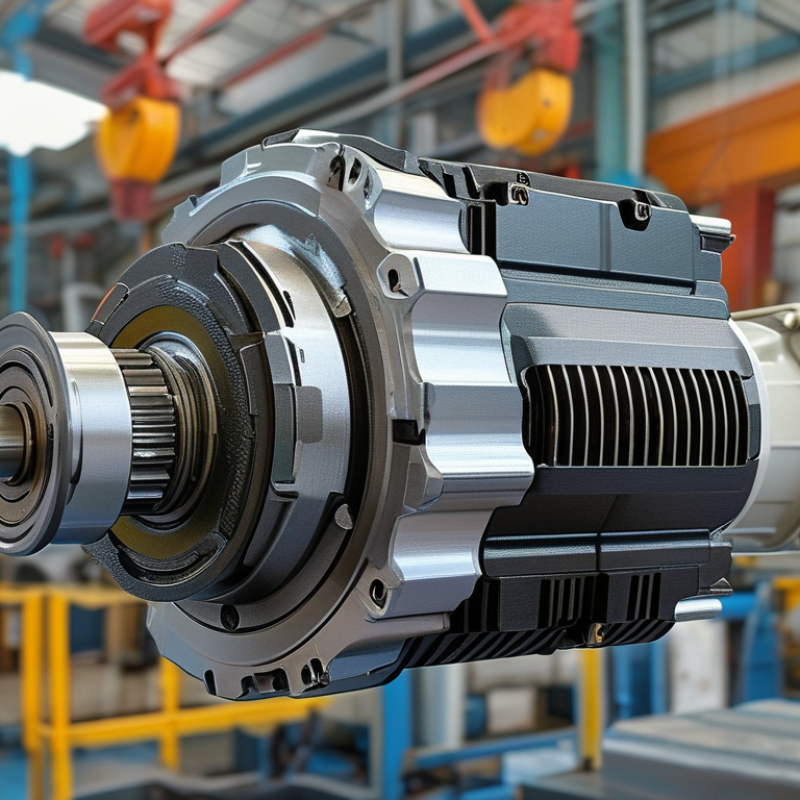
The global gear motor market is poised for significant growth in 2026. Various industries rely heavily on gear motors for automation and efficiency. These components are crucial in sectors like manufacturing, automotive, and renewable energy. The demand for more efficient and compact gear motors drives innovation. This presents various opportunities for companies to enhance their technology.
Emerging trends indicate a shift toward smart gear motors. These motors can communicate with systems to provide real-time data. This connectivity allows for better maintenance and performance monitoring. Additionally, energy efficiency is becoming a focal point. Companies are investing in sustainable practices. This push towards eco-friendly solutions may reshape market dynamics.
Despite advancements, challenges remain. The high initial investment for advanced gear motor systems can deter smaller businesses. Additionally, the rapid pace of technological change often leaves companies struggling to keep up. Market players need to address these issues to fully leverage growth opportunities. Engaging in continuous research and development will be key for future success in the gear motor landscape.
In 2026, gear motor technology is set for significant changes. One of the key innovations is the rise of energy-efficient designs. Manufacturers are focusing on reducing energy consumption while increasing performance. This means smaller motors with higher torque outputs. These advancements lead to more compact machinery, allowing for flexible designs in various applications.
Another exciting trend is the integration of smart technology. Many gear motors are now equipped with sensors to monitor performance. These sensors provide real-time data on efficiency and potential failures. This shift towards IoT (Internet of Things) connectivity enhances predictive maintenance. It helps operators avoid costly downtimes and streamline operations.
However, the development of gear motors isn’t without challenges. Balancing power and durability remains critical. Some newer designs may not withstand extreme conditions. Engineers must assess whether innovation compromises reliability. Ongoing research and feedback from users are necessary for improvement. Emphasizing reliability alongside innovation can foster a more robust future for gear motor technology.
The growing trend towards eco-friendly gear motors reflects the industry's shift towards sustainability. The demand for energy-efficient solutions is rising. In fact, a recent market report indicates that the global green motor market is expected to expand at a CAGR of 9% through 2026. This growth spurs innovations in the development of more sustainable gear motors.
Manufacturers are integrating recycled materials and improving energy efficiency in design. For instance, gear motors that utilize smart technologies show potential in reducing energy consumption by up to 30%. These advancements not only benefit the environment but can also significantly cut operational costs. However, the transition can pose challenges. Sourcing sustainable materials often leads to increased initial costs. Some companies struggle to balance sustainability with profitability.
Addressing these complications requires expertise and strategic planning. Industry stakeholders must invest in research and development. They need to explore alternative materials and processes that align with eco-friendly goals yet remain economically viable. Continuous improvement in manufacturing practices is essential. Sustainable solutions should not compromise performance. The push for greener gear motors is a journey that necessitates reflection and adaptation.
| Trend | Description | Impact on Sustainability | Potential Market Growth (%) |
|---|---|---|---|
| Eco-Friendly Materials | Use of biodegradable and recyclable materials in manufacturing. | Reduces waste and environmental impact. | 25% |
| Energy-Efficient Designs | Developing motors that consume less energy while maintaining performance. | Lower energy consumption leads to reduced carbon footprint. | 30% |
| Smart Gear Motors | Integration of IoT technology for real-time monitoring and control. | Enhances efficiency and reduces waste through better maintenance. | 40% |
| Compact Designs | Smaller and lighter motors that require less material. | Less material use contributes to lower environmental impact. | 20% |
| Lifecycle Assessments | Emphasis on evaluating environmental impact throughout the product lifecycle. | Promotes responsible manufacturing and disposal. | 15% |
Consumer preferences are significantly influencing gear motor design and functionality. Recent reports indicate that over 70% of consumers prioritize energy efficiency in motor systems. This trend is reshaping the manufacturing processes, pushing for innovations like integrated sensors and IoT compatibility. The demand for quieter operations is also rising, with 60% of users expressing discomfort with noisy equipment. Manufacturers must address these concerns to stay competitive.
Customization is another key factor. Data shows that 40% of consumers prefer tailored solutions for their applications. As industries diversify, this demand will only increase. Companies need to adopt flexible production lines to meet unique customer needs. However, balancing customization with cost-efficiency can be challenging. Many firms struggle with this, often leading to production delays.
Sustainability is now a core expectation. A study highlighted that 50% of buyers would choose sustainable options, even at a higher cost. Yet, implementing eco-friendly materials and processes can present hurdles. Manufacturers should reflect on their current practices. Failing to adapt may alienate a growing segment of environmentally conscious consumers. This indicates a critical need for industry-wide reflection and innovation.
The gear motor market is witnessing significant shifts as we approach 2026. Key players are adapting to new technologies and consumer demands. This competitive landscape is volatile, with companies striving to capture larger market shares. Factors driving innovation include energy efficiency, compact designs, and improved torque performance. Notably, automation and robotics are increasing the demand for advanced gear motors.
Analyzing market shares reveals that several major players are emerging, each focusing on distinct strengths. Some companies prioritize cost-effective solutions, while others emphasize high-performance applications. The division in focus often leads to fierce competition. In this dynamic environment, it's essential for companies to continuously innovate.
It's important to observe how emerging players are challenging established firms. Market entrants often bring fresh ideas but face hurdles, such as limited resources and brand recognition. Existing players cannot afford to become complacent. They must actively monitor these newcomers and adapt to changing consumer preferences. Staying ahead means embracing new technologies and reflecting on current strategies.
: The demand for automation and efficiency in various industries drives growth in the gear motor market.
Gear motors now include sensors that provide real-time performance data for better monitoring.
Energy-efficient designs reduce consumption while maintaining performance, which benefits both the environment and operational costs.
High initial investments for advanced systems can deter smaller businesses from adopting new technology.
New designs may struggle with durability under extreme conditions, raising concerns about reliability.
Manufacturers are integrating recycled materials and focusing on energy-efficient designs for sustainability.
The global green motor market is expected to grow at a CAGR of 9% through 2026.
Companies often find it challenging to balance higher initial costs of sustainable materials with overall profitability.
Ongoing improvement is essential to ensure that sustainable solutions do not compromise performance.
The industry must reflect and adapt to the challenges of integrating sustainability and technological innovation.
The 2026 Global Gear Motor Market is poised for significant growth, driven by emerging technologies and consumer preferences. Key innovations in gear motor technology are expected to enhance performance, efficiency, and adaptability across various applications. Eco-friendly gear motors are gaining traction as sustainability becomes increasingly important to both consumers and manufacturers, reflecting a shift toward greener solutions in the industry.
As the landscape evolves, understanding consumer preferences will be crucial for designing gear motors that meet modern demands. In 2026, a competitive analysis will reveal the major players and their market shares, highlighting the dynamics of the Hot Sale Gear Motor segment. This year promises to be pivotal as advancements and sustainability trends redefine the gear motor market, catering to a more eco-conscious and performance-driven customer base.
