 Rovix Motion
Rovix Motion
Rovix Motion
In the rapidly advancing world of smart locks, selecting the right "Motor For Lock" plays a crucial role in security. With numerous options available, it is essential to consider factors such as reliability, power consumption, and response time. The right motor can enhance both security and user experience significantly.
A quality motor should not just function well; it needs to be durable. Users expect locks to withstand daily wear and tear. Factors like material quality and design impact overall longevity. Additionally, energy efficiency is vital. Many users prefer motors that conserve power and ensure long-lasting battery life. This aspect is especially important in remote-controlled locking systems.
However, choosing a motor is not straightforward. With evolving technologies, it is common to encounter products that claim high performance but may disappoint. Potential buyers should conduct thorough research to avoid subpar options. Consulting with experts or reading reviews can provide valuable insights. Ultimately, a well-chosen motor enhances the security of any lock system.
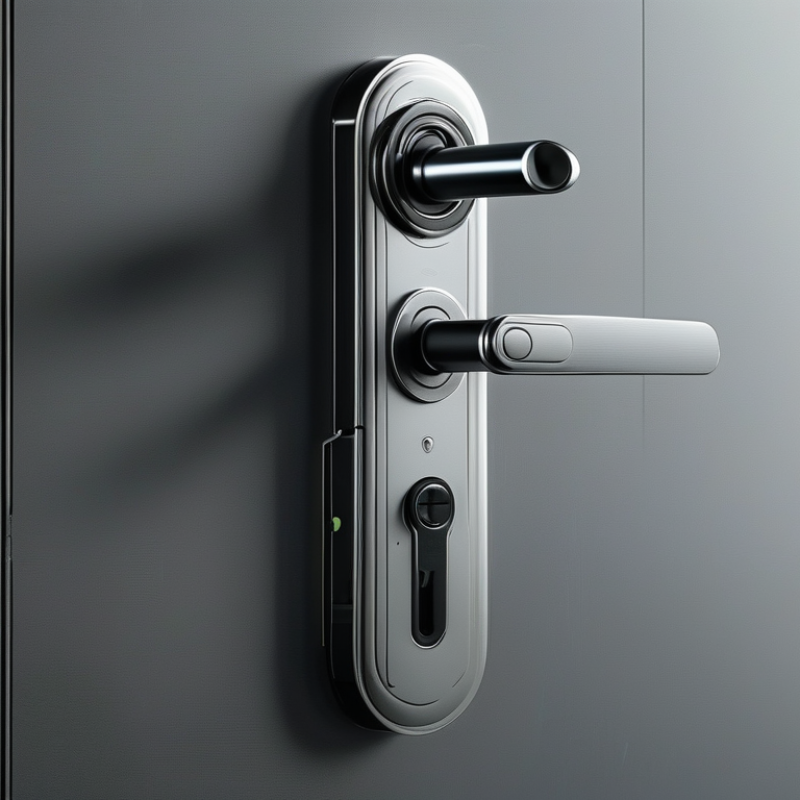
When selecting motors for lock applications, several key features must be considered. The torque requirements are paramount. According to industry reports, the optimal torque range varies from 0.5 to 2.5 Nm for typical lock systems. This range ensures reliable performance without compromising efficiency. Additionally, motor speed plays a critical role. Most electric locks operate effectively within the 1000 to 3000 RPM category. It's important to find motors that can sustain these speeds while maintaining precision.
Another significant factor is power consumption. In the latest studies, energy-efficient motors can reduce operational costs by up to 30%. Choosing motors with low-wattage ratings can contribute to sustainability efforts. Noise levels also matter; quieter motors create a more pleasant user experience. Look for motors with operational noise levels below 50 dB.
Finally, durability and reliability cannot be overlooked. Motors should be rated for at least 10,000 cycles without failure. However, the actual lifespan can vary based on application specifics. Testing motors under real conditions can reveal unexpected performance issues. Balancing these features is essential for developing efficient lock systems that meet user needs.
: DC motors, stepper motors, and servo motors are commonly used. Each has unique advantages and limitations.
DC motors are favored for their simplicity and low cost. However, they lack precision in control.
Stepper motors provide better control and accuracy. They help with precise positioning in high-security applications.
Stepper motors make up about 25% of the lock system market, reflecting growing demand.
Servo motors excel in high torque and responsiveness. They are efficient and adaptable but can be expensive.
Safety, reliability, material quality, and protection against environmental conditions are vital for motor selection.
Environmental factors like extreme temperatures and moisture can lead to motor failures. Choose sealed motors for protection.
Motors with monitoring systems can detect anomalies. This enhances security by providing real-time alerts.
Proven durability reduces risks of mechanical failures. About 30% of security breaches stem from such issues.
Yes, increased complexity in motors, like stepper motors, may lead to reliability issues under certain conditions.
In 2026, selecting the right motor for lock applications involves considering several key features essential for performance and security. Important attributes include durability, responsiveness, and compatibility with various lock systems. Common types of motors used in lock applications typically range from DC motors to stepper motors, each with distinct advantages tailored to specific locking mechanisms.
Performance considerations are critical when evaluating a motor for lock scenarios, including factors such as torque, speed, and energy efficiency. Furthermore, future trends indicate a shift towards smarter motor technologies that integrate connectivity and enhanced security features. Lastly, safety and security factors play a crucial role in motor selection, ensuring that the chosen motor for lock applications delivers reliable and effective protection against unauthorized access while maintaining operational efficiency.
