Rovix Motion
Choosing the right Brushless DC Motor is crucial for various applications. These motors are known for their efficiency and longevity. According to a report by MarketsandMarkets, the global brushless DC motor market is projected to reach $40 billion by 2025. This growth highlights the increasing demand in industries such as automotive, robotics, and manufacturing.
However, selecting the best brushless DC motor is not always straightforward. Factors such as torque requirements, size constraints, and power ratings play significant roles. It's essential to have a clear understanding of your specific needs. For instance, a high-efficiency model may outperform a standard option in energy savings, but initial costs could be higher. Balancing these aspects requires careful evaluation.
Professional advice is beneficial when navigating these choices. Manufacturers and experts can provide insights into the latest technologies and trends. Evaluating product specifications without bias is vital. The right brushless DC motor can enhance performance significantly, but a poor choice might lead to inefficiencies and added costs. Thus, a thorough understanding of the options available is key.
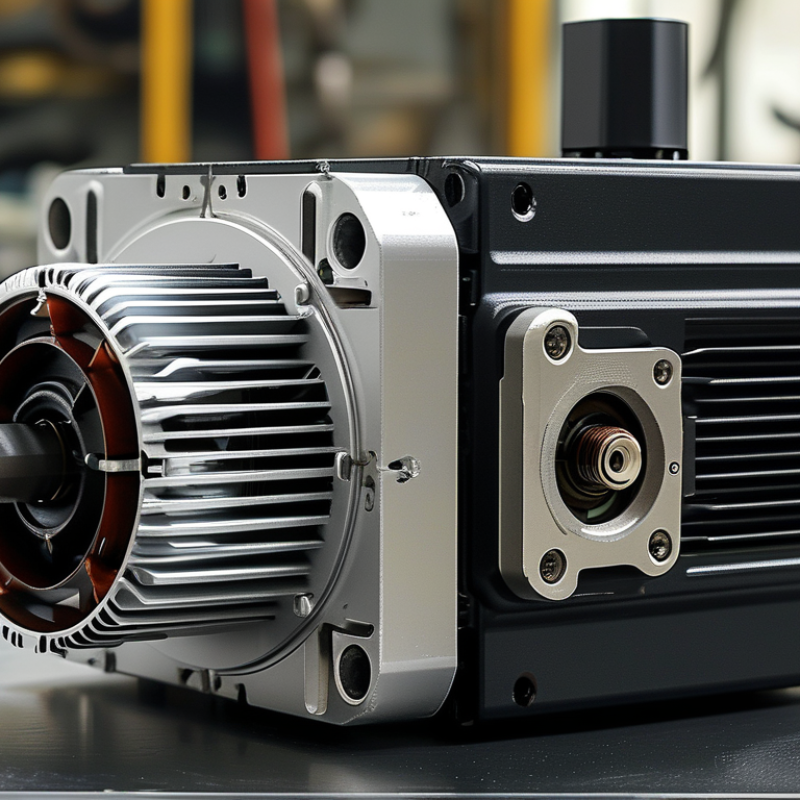
Brushless DC (BLDC) motors have gained popularity across various industries due to their efficiency and reliability. These motors are essential in applications ranging from consumer appliances to electric vehicles. According to a recent industry report, the global brushless DC motor market is projected to grow at a CAGR of 9.5% from 2021 to 2026. This growth indicates increasing demand driven by technological advancements and the broader push for energy-efficient solutions.
Understanding the different types of brushless DC motors is key. There are two primary types: inner rotor and outer rotor motors. Inner rotor motors are commonly used in robotics and aerospace applications. They offer high torque and compact designs. In contrast, outer rotor motors are often found in applications like cooling fans and drones. These motors provide better thermal management and efficiency.
It is crucial to choose the right motor type based on specific needs. For instance, application requirements such as load characteristics and operational environment must guide decisions. However, some users may overlook these factors, leading to suboptimal performance. Evaluating motor specifications—like efficiency ratings and speed ranges—ensures a suitable match for your application. Consistent performance is required, especially in high-demand settings. Selecting the wrong type could result in increased maintenance and operational costs.
When selecting a brushless DC motor, several key specifications must be taken into account. One of the most critical factors is the voltage rating. Brushless DC motors typically operate within a certain voltage range, which can affect performance and efficiency. For instance, a study revealed that motors rated at 24V often have a better efficiency of up to 90% compared to those with lower voltage ratings. This can significantly influence operational costs and energy consumption.
Another important specification is the motor's torque and speed characteristics. Brushless DC motors can deliver torque values ranging from a few millinewton-meters to several hundred. The peak torque often occurs at different points across the motor's speed range, which can impact its application suitability. For example, a motor designed for robotics may need high torque at low speeds, whereas, in automotive applications, speed may be prioritized. Understanding these performance curves allows for better alignment with operational needs.
Reliability is also paramount when selecting the right motor. While brushless DC motors generally have a longer lifespan compared to brushed variants, quality varies among manufacturers. Reports indicate that high-quality motors can last over 20,000 hours, while others may experience failures within just a few hundred hours. It’s crucial to assess not just specifications but also the feedback on longevity and performance to avoid potential shortfalls in operational efficiency. Balancing these factors can lead to a more informed and effective motor selection process.
Selecting the appropriate brushless DC motor requires careful evaluation of torque, speed, and efficiency. Torque dictates how much load the motor can handle. According to a report from the International Electrotechnical Commission, brushless motors can offer up to 30% more torque than their brushed counterparts. This increased torque directly translates into better performance in demanding applications, such as robotics and electric vehicles.
Speed is another crucial parameter. Brushless DC motors can achieve high speeds, often exceeding 80,000 RPM in certain configurations. However, operating at peak speed can reduce efficiency. The efficiency of a brushless motor usually hovers around 85% to 95%, but this can vary based on design and application. It's essential to assess your specific operational requirements. A motor with high speed may not always be the best choice if it compromises efficiency.
Consideration should also be given to the motor's thermal management. Overheating can diminish performance and longevity. Manufacturers often highlight this aspect in technical specifications. However, data shows that neglecting thermal limits can lead to operational inefficiencies and safety risks. These variables must be contemplated to make a sound choice in motor selection.
When selecting a brushless DC motor, controller compatibility is crucial. The motor and controller must work together seamlessly. A mismatch can lead to inefficiency or even motor failure. Check voltage ratings first. They should align for safety and performance. Different controllers offer varying features. Some are simple, while others provide extensive programming options.
It’s important to consider control methods. PWM (Pulse Width Modulation) is common. It allows for smooth operation and precise speed control. However, not all motors can handle the same PWM frequency. Research the specifications to avoid issues. Some users overlook this detail and face functionality problems later.
Thermal management is another aspect to consider. Motors generate heat, especially under load. The controller must support optimal thermal conditions. If neglected, overheating can result in reduced lifespan. Adjusting settings may require a learning curve. It’s beneficial to experiment and document performance. Testing various setups helps in finding the best fit for your specific needs.
This chart illustrates the efficiency of brushless DC motors under various operating conditions, highlighting the importance of selecting a compatible controller to ensure optimal performance. The efficiency rate increases with the appropriate matching of motor and controller characteristics, which is crucial for achieving desired performance.
The brushless DC motor industry is evolving rapidly. Innovations now focus on energy efficiency, compact designs, and enhanced control systems. This shift addresses the growing demand for sustainable solutions. Manufacturers are investing in smart technologies, which enable better integration with IoT devices. These advancements not only improve performance but also drive down costs in the long run.
Tips for choosing the best brushless motor include considering application requirements. Assessing specifications like torque, speed, and thermal performance is crucial. Pay attention to the motor’s control methods, as they vary significantly. These aspects can drastically influence efficiency and responsiveness in your specific application.
Future directions indicate a trend toward more sustainable manufacturing processes. As environmental concerns rise, the industry is expected to explore eco-friendly materials and methods. Reflection on current practices is necessary to ensure long-term viability. Staying informed about emerging technologies will help you adapt effectively to these changes while optimizing your motor choices for efficiency and reliability.
| Application | Voltage (V) | Torque (Nm) | Motor Size (mm) | Efficiency (%) | Speed (RPM) |
|---|---|---|---|---|---|
| Robotics | 24 | 0.5 | 42 | 85 | 2000 |
| Industrial Automation | 48 | 1.2 | 56 | 90 | 3000 |
| Electric Vehicles | 72 | 3.5 | 90 | 92 | 4000 |
| HVAC Systems | 12 | 0.3 | 38 | 80 | 1500 |
| Aerospace | 28 | 0.8 | 50 | 88 | 3500 |
: Brushless DC motors are used in consumer appliances, electric vehicles, robotics, and drones.
There are two main types: inner rotor and outer rotor motors.
The right motor type affects performance, efficiency, and operational costs in specific applications.
Load characteristics, operational environment, efficiency ratings, and speed ranges are key factors.
The industry focuses on energy efficiency, compact designs, and smart technologies for better integration with IoT.
Assess specifications like torque, speed, thermal performance, and control methods for better efficiency.
The trend is shifting toward sustainable manufacturing processes and eco-friendly materials.
Innovations enhance performance and can lower costs, addressing the demand for sustainable solutions.
Choosing the wrong motor can lead to increased maintenance and higher operational costs.
Reflection helps ensure long-term viability and adaptation to emerging technologies and market changes.
When choosing the best Brushless DC Motor for your specific needs, it is essential to first understand the different types and their applications. Brushless DC Motors are known for their efficiency and reliability, making them suitable for a variety of industries. Key specifications such as voltage, current, and power rating must be evaluated to ensure optimal performance. Additionally, torque, speed, and efficiency are crucial metrics that influence the selection process.
Compatibility with motor controllers is another critical factor that can affect the overall performance of the Brushless DC Motor. As technology advances, industry trends indicate a shift towards greater innovations in motor design, enhancing capabilities and functionality. By staying informed about these trends, one can make more informed decisions when selecting the appropriate Brushless DC Motor, ensuring it meets the demands of modern applications.
