Rovix Motion Rovix Motion

Top Tips for Choosing the Best DC Micro Vibration Motor?

Time:2026-08-26 Author:Madeline
0%

Choosing the right DC Micro Vibration Motor can greatly enhance product performance. Industry expert Dr. Emily Chen states, "The selection of a vibration motor is crucial for device efficiency." This highlights the importance of making informed choices when selecting these components.

DC Micro Vibration Motors are essential in many applications, from consumer electronics to medical devices. They provide the precise vibrations needed for haptic feedback. Understanding the key factors in selection is vital for engineers and designers.

When exploring options, consider motor size, weight, and vibration frequency. These details can impact the overall design. However, choosing the wrong specification can lead to underperformance. Reflecting on these aspects will guide you in picking the best DC Micro Vibration Motor for your project.
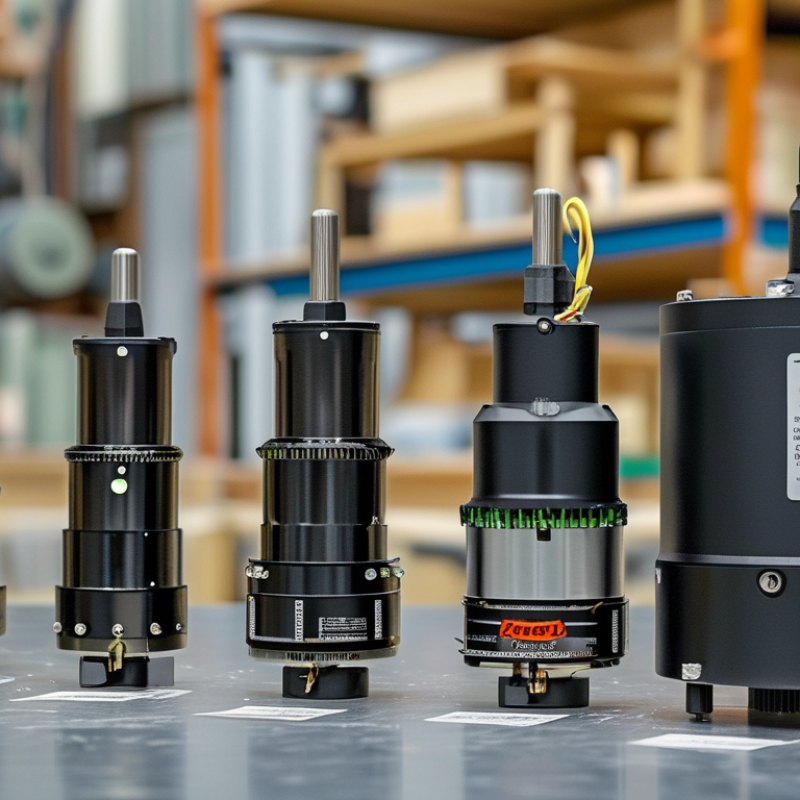
Top Tips for Choosing the Best DC Micro Vibration Motor?

Understanding the Basics of DC Micro Vibration Motors

When choosing a DC micro vibration motor, it’s crucial to understand what they are and how they operate. These motors are small devices that convert electrical energy into mechanical vibration. According to industry reports, the global market for vibration motors was valued at approximately $1.2 billion in 2022. This market is expected to grow with the increasing demand for compact, efficient vibration technologies in various applications, including consumer electronics and automotive components.

Understanding the specifications of DC micro vibration motors helps in making informed choices. Key factors include voltage, size, and vibration frequency. Motors vary widely; some are designed for high RPM, while others prioritize torque at lower speeds. A study published by the Journal of Instrumentation highlights that a motor's efficiency directly correlates with its operational lifespan. However, not all manufacturers provide reliable data. Thus, evaluating motor performance claims is essential.

In practice, the ideal motor might not always be the most powerful. A motor that fits your application’s size requirements is equally vital. Sometimes, prioritizing vibration amplitude over frequency can yield better results for specific tasks. Review process and application needs thoroughly to identify the best fit. Keep in mind, a sub-optimal choice can lead to equipment malfunction or reduced user satisfaction. Balancing technical specifications and practical application is key in this selection process.

Identifying Key Specifications for Application Needs

When selecting a DC micro vibration motor, key specifications must align with your application needs. Start with the operating voltage. It influences motor performance and compatibility. A range between 3V to 12V suits many applications, but your particular setup may require specific values. Consider the size restrictions of your device as well. Motors come in various dimensions, impacting installation and functionality.

Next, examine the vibration frequency and amplitude. These factors dictate how the motor will perform in real conditions. For example, higher frequencies produce a fine, rapid vibration. Lower frequencies give a stronger, more pronounced effect. Pay attention to the rated load as well. Ensuring that the motor can handle your application’s weight is crucial to avoid premature failure.

Lastly, assess durability. Some motors may wear out quickly under continuous operation. Check the manufacturer's specifications for lifespan under typical use. This can help prevent unexpected downtime. Going through this process can seem daunting. It's essential to prioritize your needs and sometimes revisit initial choices if performance doesn't meet expectations. Reflection on these details ensures more reliable outcomes.

Evaluating Motor Performance and Efficiency Metrics

When evaluating the performance of DC micro vibration motors, pay close attention to several key metrics. One of the critical factors is the motor's torque. Higher torque means the motor can produce stronger vibrations. It’s essential to match this specification with your application’s needs. If you overlook this, the motor might underperform or damage sensitive components.

Another important metric is the efficiency of the motor. A more efficient motor converts more electrical energy into usable mechanical energy. This can lead to longer battery life in portable devices. Every percentage point counts. If your application requires long operation times, prioritize motors with higher efficiency ratings. You could face challenges in thermal management if you choose a less efficient option.

Vibration frequency and amplitude are also vital. These factors directly influence how well the motor performs its intended function. Testing with various loads helps reveal the motor's capabilities. Encountering unexpected results can be frustrating. It’s essential to iterate on your selection until you find the right balance. A poorly chosen motor can lead to mechanical failure or limited functionality, leaving room for improvement.

Assessing Size and Form Factor Considerations

When selecting a DC micro vibration motor, size and form factor are crucial considerations. These motors come in various shapes and dimensions, tailored for different applications. A thorough assessment of the available space in your device is essential. For instance, a compact gadget may require a smaller motor to fit seamlessly without compromising design.

Understanding the motor's form factor is equally important. Consider the mounting style and orientation. Some applications prefer surface mounting, while others may require embedded solutions. It's vital to ensure that the chosen motor aligns with the mechanical design of your product. A mismatch could lead to performance issues.

Moreover, exploring different dimensions can lead to unexpected challenges. A smaller motor might have limited power output or shorter life span. On the other hand, a larger motor could offer better performance but may not fit in smaller devices. Balancing size with functionality is a delicate process that requires careful consideration and testing to achieve the desired result.

Top Tips for Choosing the Best DC Micro Vibration Motor

Dimension Value Considerations
Length 10mm - 30mm Ensure it fits the device housing
Width 5mm - 15mm Check compatibility with available space
Height 2mm - 8mm Consider the profile of the application
Weight 0.5g - 5g Lighter motors are preferred for portability
Voltage 1.5V - 12V Choose according to power supply requirements
Operating Temperature -20°C to +70°C Ensure reliability across temperature ranges
Vibration Frequency 100Hz - 2000Hz Match with user experience requirements
Noise Level < 40dB Lower noise levels improve user satisfaction

Comparing Manufacturer Reliability and Support Services

When selecting a DC micro vibration motor, reliability is key. The manufacturer's reputation often indicates their commitment to quality. Investigating their production standards can reveal their dedication to craftsmanship. Knowing how long they've been in business also provides insight into their stability.

Support services matter just as much as the product itself. Prompt and effective customer support can make all the difference. Seek manufacturers that offer extensive technical resources. This can include detailed manuals and troubleshooting assistance. Companies that provide proactive support show confidence in their products and enhance customer satisfaction.

It's important to interrogate the feedback from previous clients. Reviews can highlight common issues or exceptional service experiences. However, such feedback might not always tell the full story. Balancing positive and negative opinions can lead to a more informed decision. Always ask questions that dig deeper into a company's responsiveness and reliability. Engaging directly with the manufacturer can reveal their willingness to assist. This interaction often reflects their long-term support potential.

FAQS

: What is the significance of torque in DC micro vibration motors?

: Torque measures the strength of vibrations. Higher torque leads to stronger vibrations, essential for matching application needs.

How does motor efficiency impact device performance?

Efficient motors convert more energy into mechanical power, enhancing battery life. Prioritize higher efficiency for longer operation times.

What should be considered for vibration frequency and amplitude?

These factors affect motor performance. Testing different loads helps identify capabilities, ensuring the motor meets its intended function.

Why is size an important factor when selecting a motor?

Motors come in various sizes. Ensuring the motor fits the available space in your device is crucial to avoid design issues.

How does the form factor influence motor selection?

The form factor includes mounting style and orientation. A motor must align with the product’s mechanical design for optimal performance.

What challenges arise from selecting the wrong motor size?

A smaller motor may lack power, while a larger one may not fit. Balancing size and functionality requires careful consideration.

Can poor motor selection lead to failure?

Yes, a poorly chosen motor can cause mechanical failure or limited functionality. Iteration and testing are essential for the right choice.

What happens if motor specifications are overlooked?

Ignoring specifications, like torque or efficiency, can result in underperformance or damage to sensitive components. Careful assessment is vital.

How important is testing in the motor selection process?

Testing helps uncover unexpected results and refine choices. Continuous evaluation enables finding the best balance for your needs.

What impact does efficiency have on thermal management?

Less efficient motors may create thermal challenges. Choose efficient motors to minimize heat generation and enhance device longevity.

Conclusion

When selecting a DC Micro Vibration Motor, it's essential to understand the fundamental principles behind its operation. Key specifications such as voltage, load capacity, and vibration frequency are crucial in determining the right motor for specific applications. Evaluating these performance and efficiency metrics will help ensure that the motor meets the required operational standards.

Additionally, the size and form factor of the motor cannot be overlooked, as they must align with the design constraints of your project. Furthermore, assessing the reliability of different manufacturers and the support services they provide is vital to ensure long-term satisfaction and performance. By considering these factors, users can make informed decisions and select the best DC Micro Vibration Motor for their needs.

Madeline

Madeline

Madeline is a dedicated marketing professional with a wealth of expertise in our company's core offerings. With a keen understanding of the industry, she brings a unique perspective to her role, consistently delivering high-quality content that highlights the superior aspects of our products. As......