Rovix Motion
Rovix Motion
Rovix Motion
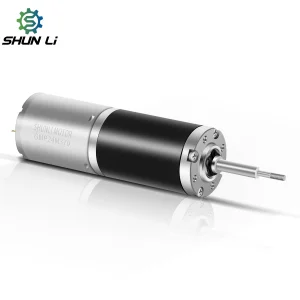
Osaka has long been the heartbeat of Japan's precision manufacturing. In districts like Higashiosaka, the concentration of specialized SME factories creates a unique ecosystem where "Monozukuri" (the art of making things) thrives. For Planetary Gear Motor exporters, the Osaka market represents a sophisticated demand for miniaturization and high-durability components.
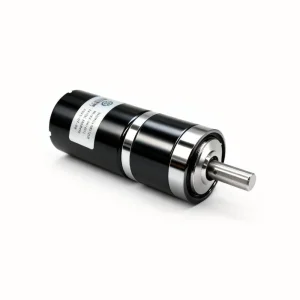
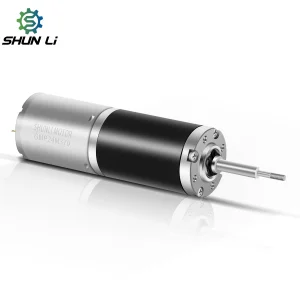
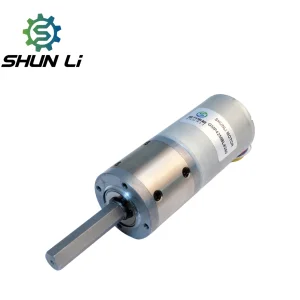
Global industries are shifting toward the Industrial IoT (IIoT) and robotics, where planetary gear systems are preferred over traditional spur gears due to their superior torque density and coaxial alignment. Whether it is for Osaka’s thriving medical device sector or global AGV (Automated Guided Vehicle) manufacturing, the demand for precision-engineered DC planetary motors is at an all-time high.
While Osaka excels in design and high-end niche production, the efficiency of China-based factories like Rovix Motion provides the necessary scale and cost-optimization for global competitiveness. Our facility utilizes Swiss-style hobbing machines and Japanese dynamic balancing technology to bridge the gap between high-end Japanese quality and scalable manufacturing efficiency.
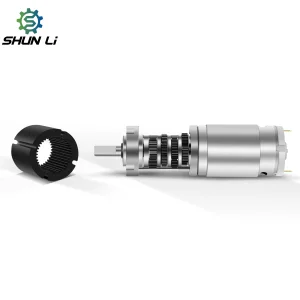
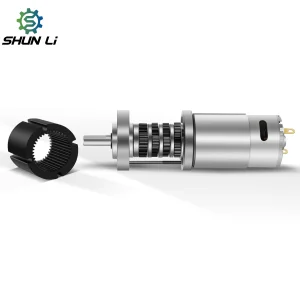
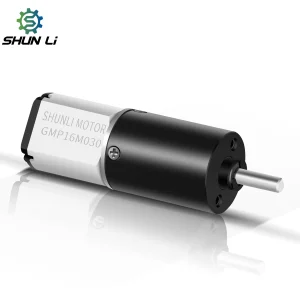
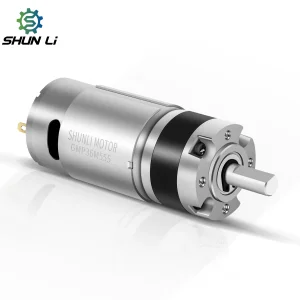
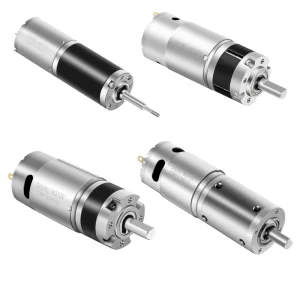
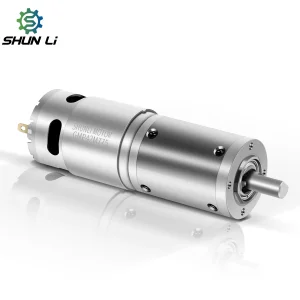
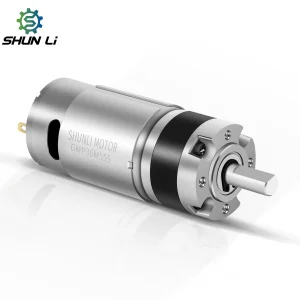
Rovix Motion: Packing Massive Torque Into Miniature Spaces. Inside a premium robotic joint or an automated medical valve, space is the ultimate luxury. We measure our success in micrometers. Every internal component is optimized to eliminate friction and maximize heat dissipation.
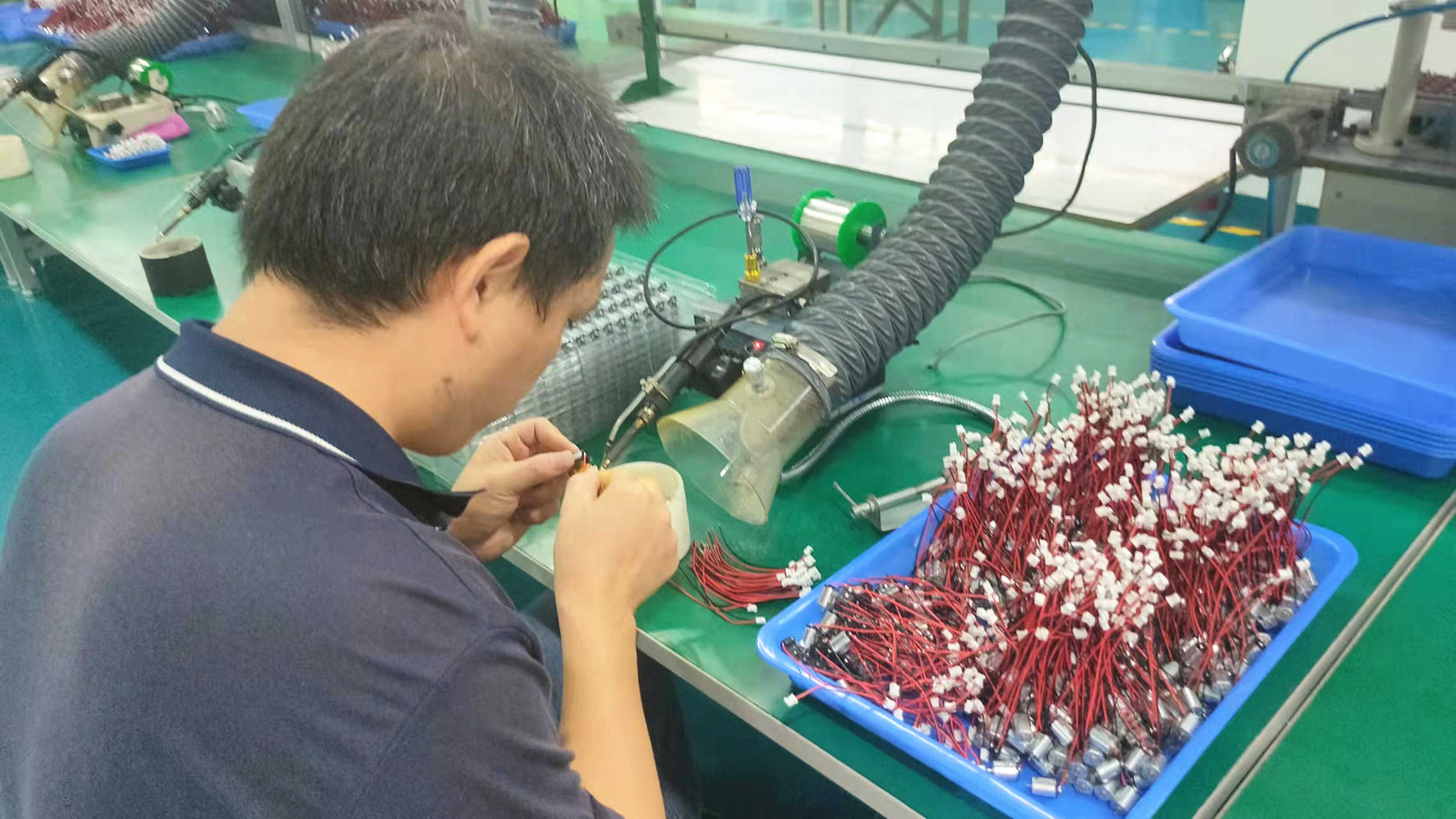
Precision Soldering for High-Conductivity Connections
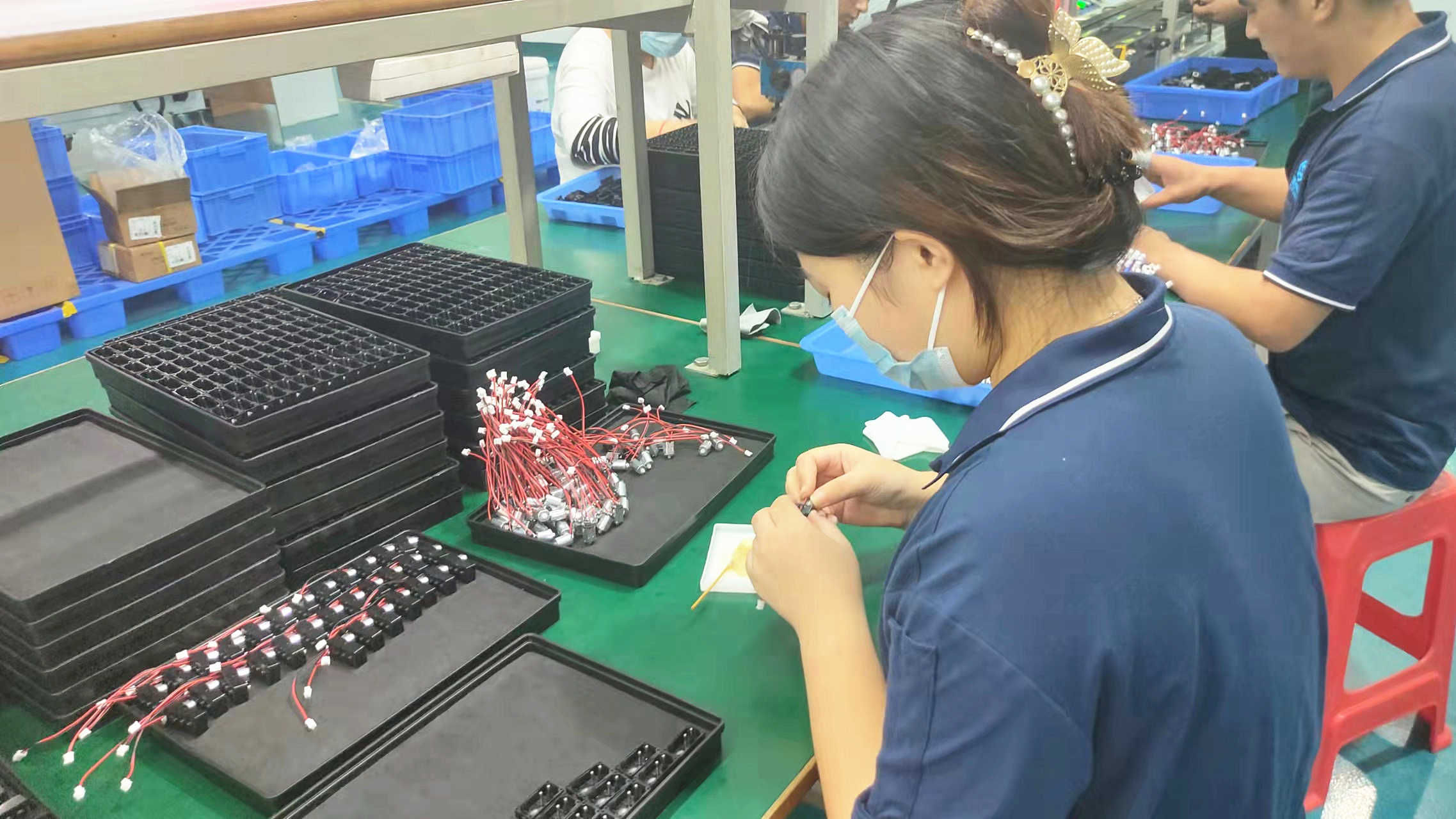
Lean Assembly Lines for Consistent Output
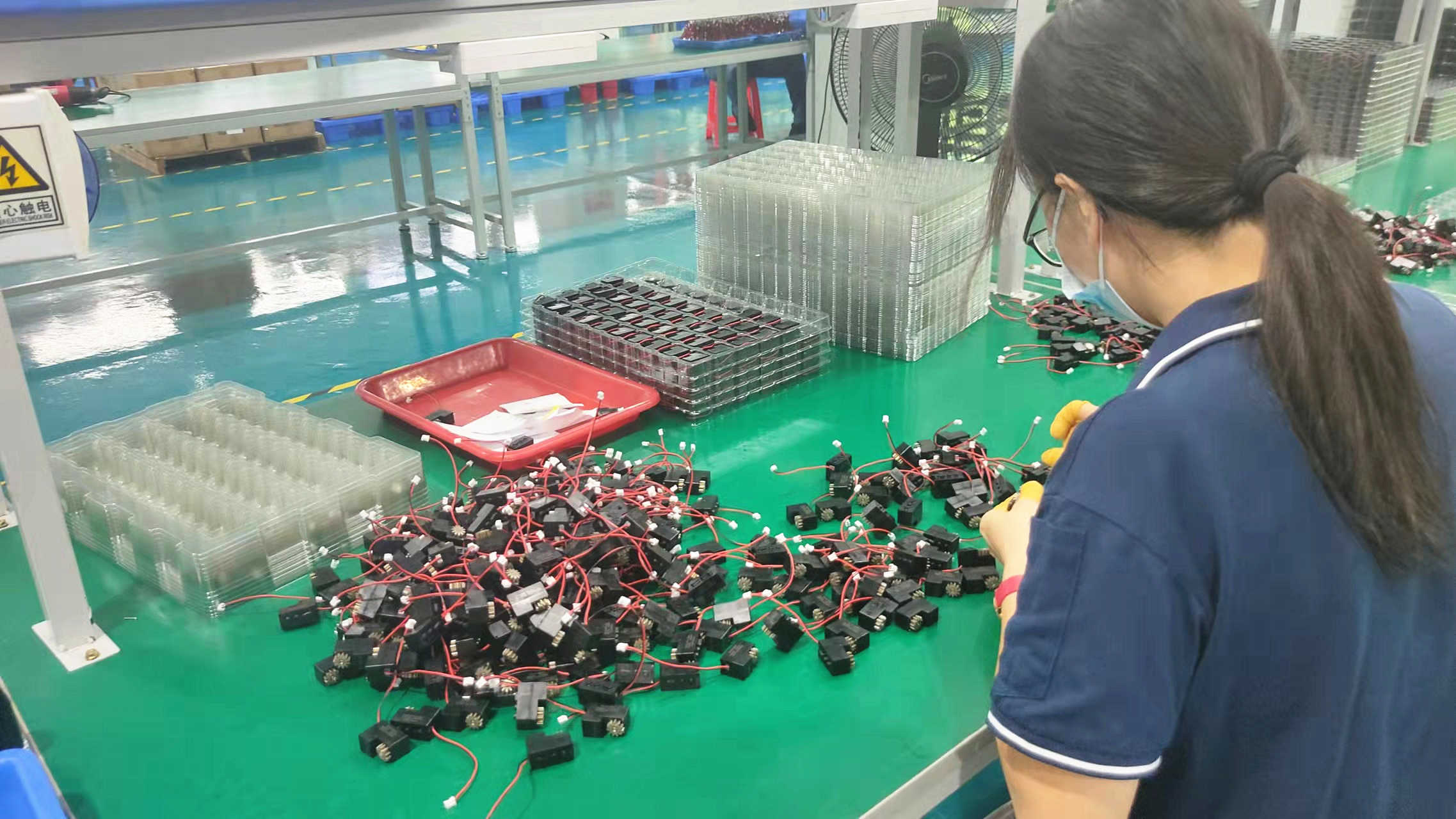
Rigorous Dynamic Testing for Every Motor Unit
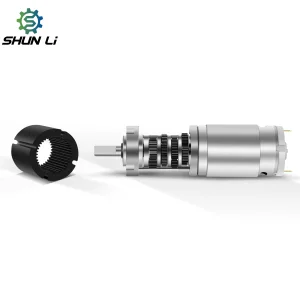
In the global market, Planetary Gear Motors are displacing traditional drive systems. Why? Because a planetary system distributes the load over multiple planet gears, significantly increasing the torque capacity while maintaining a compact form factor. This is critical for Osaka's collaborative robot (cobot) developers who require smooth motion without backlash.
Our factory integrates NINGJIANG MACHINE TOOL and High Precision Horizontal Gear Hobbing Machines to ensure that gear profiles are cut to AGMA 10+ standards. From the lathing of the rotor shaft to the final noise testing chamber, our process is designed for Reliability and Authority (E-E-A-T).
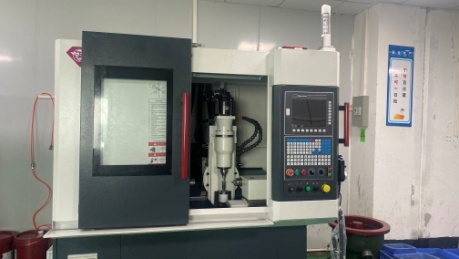
NINGJIANG MACHINE TOOL
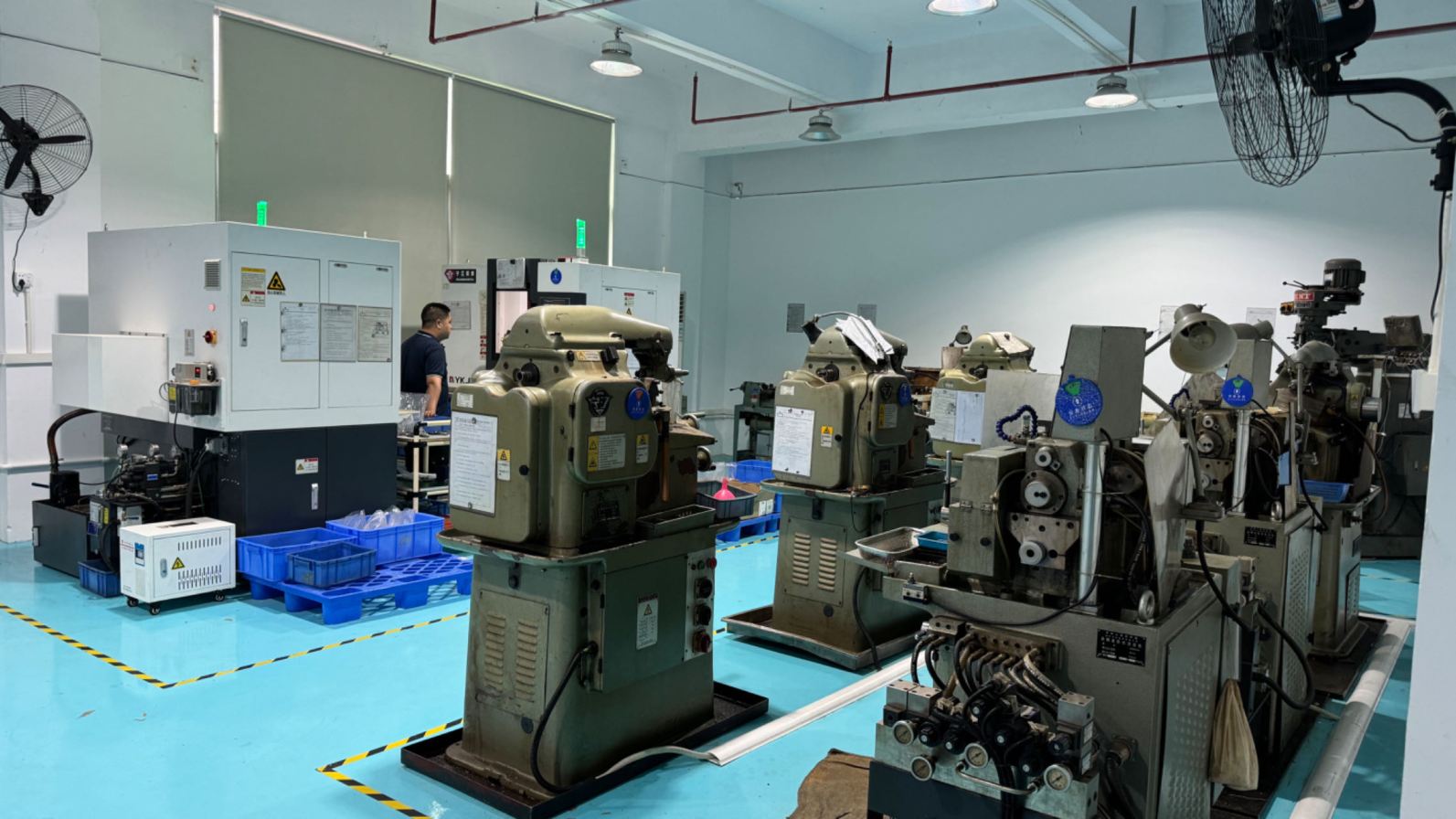
High Precision Horizontal Gear Hobbing
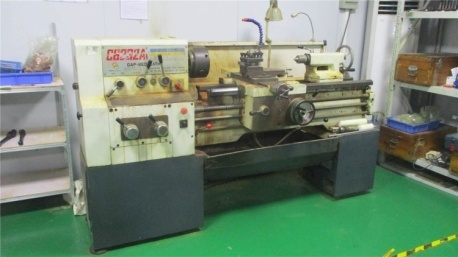
Lathing Machine
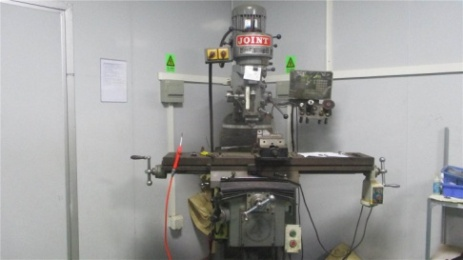
Milling Machine

Advanced R&D Design
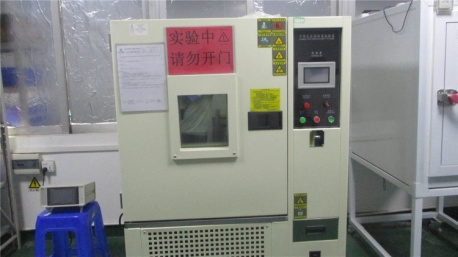
Constant Temp & Humidity Chamber
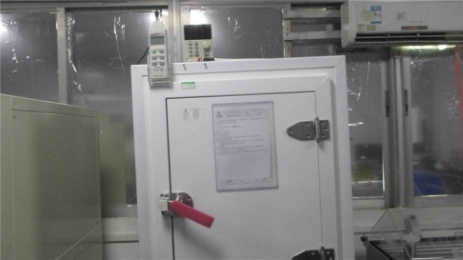
Noise Testing Chamber
To serve the Osaka market, we maintain a level of QC that matches Japanese standards. Our aging shelves and magnetic powder testing machines ensure that every batch exported meets the MTBF (Mean Time Between Failures) requirements of industrial-grade applications.
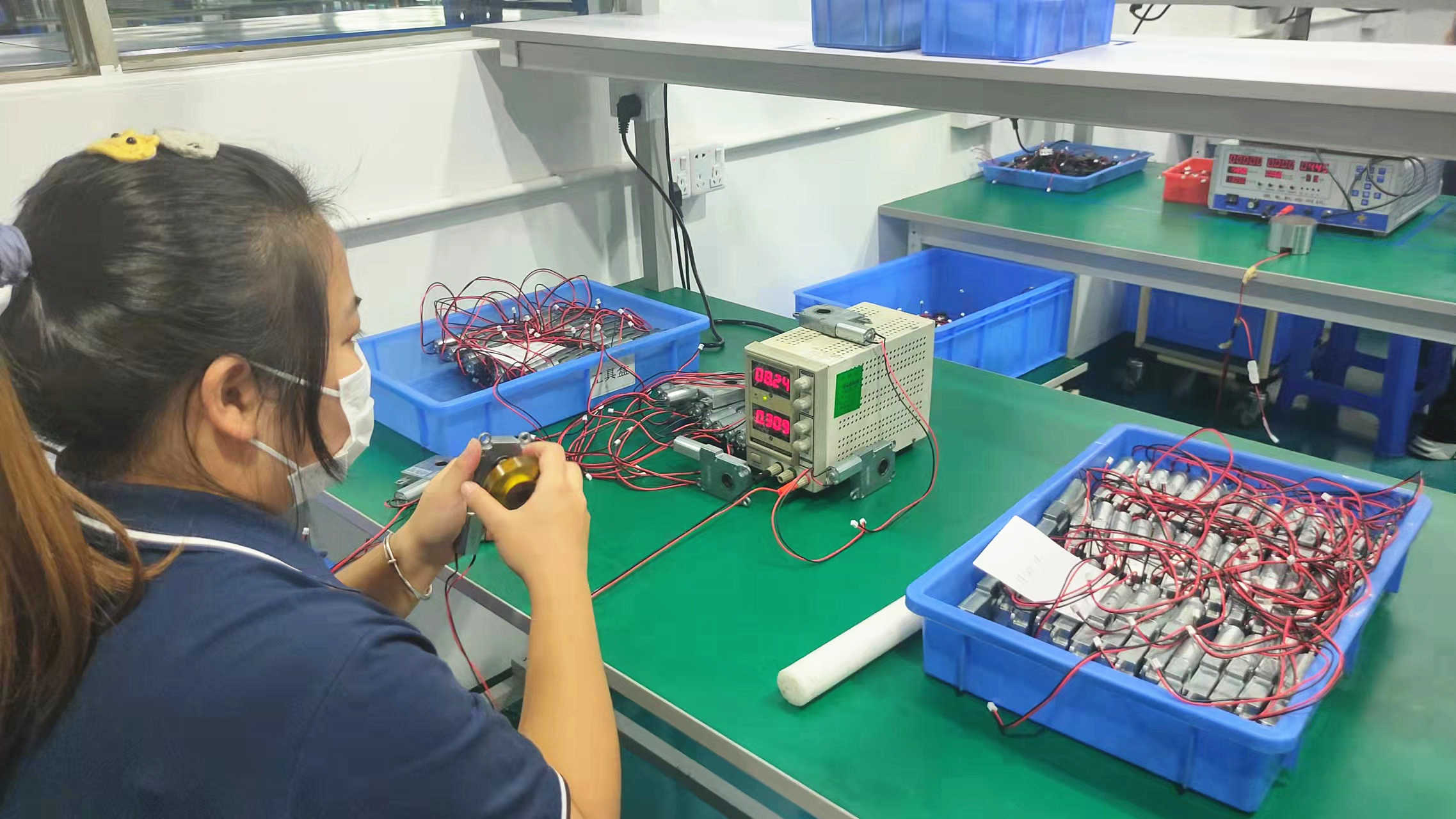
Qc Checking
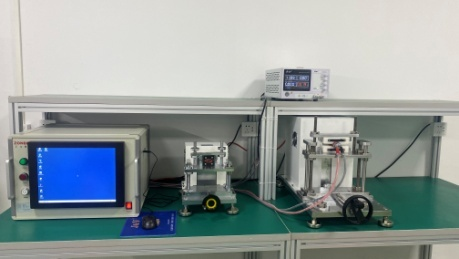
Dynamometer Machine
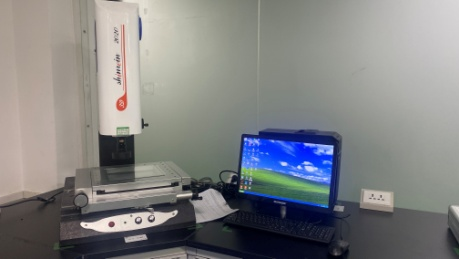
Video Measuring Instrument
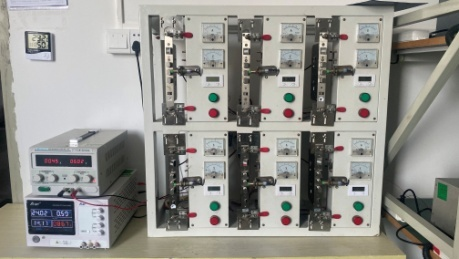
Aging Shelf
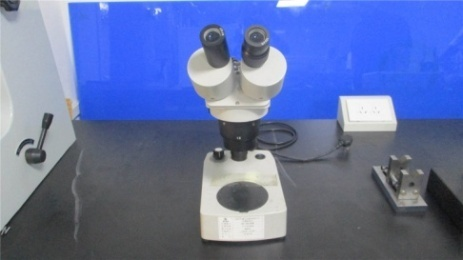
Precision Microscope Inspection
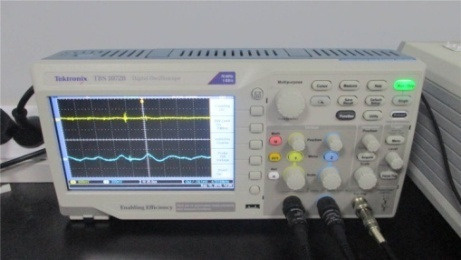
Digital Oscilloscope Analysis
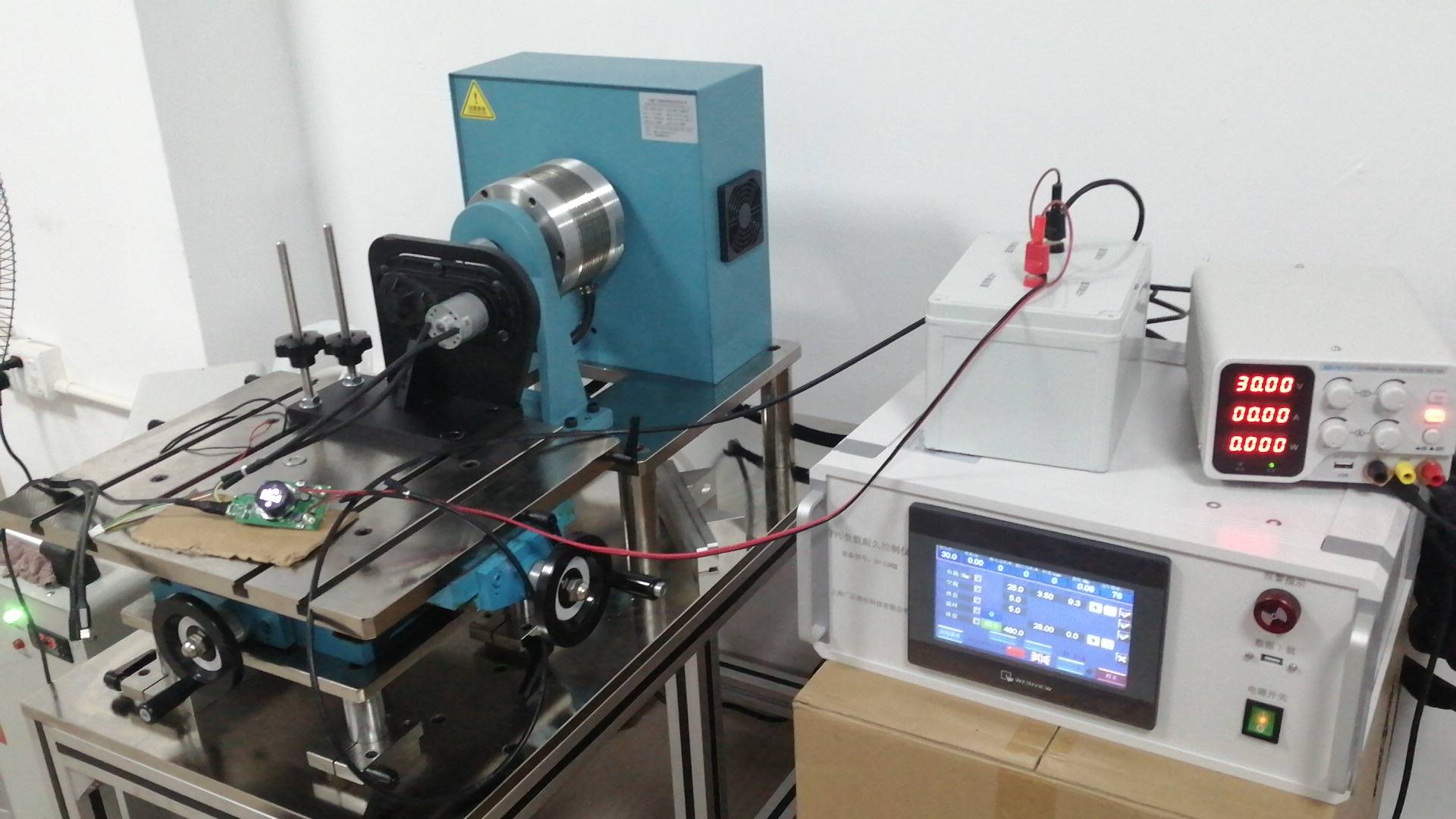
Magnetic Powder Testing
Planetary gears offer higher torque density and efficiency (up to 95% per stage) compared to spur gears. In Osaka’s precision robotics, this allows for smaller joints with higher lifting capacity.
We provide full CAD files, material certifications (RoHS/CE), and dynamic performance curves (Torque vs. RPM). This transparency reduces the R&D cycle for engineers.
Typical prototyping for the Osaka market takes 2-3 weeks, with mass production scaling in 4-6 weeks depending on component complexity.
Yes, our 22mm to 42mm series can be matched with magnetic or optical encoders for precise closed-loop control, essential for AGV navigation.
The next decade will see the integration of AI-diagnostic sensors directly into the motor housing. We are currently developing "Smart Motors" that can predict gear wear through vibration analysis, a trend heavily favored by Industry 4.0 initiatives in Japan and Europe.