Rovix Motion
1. Global Development Trends in Micro & Gear Motors
The global electromechanical landscape is witnessing a structural shift driven by the requirements of smart manufacturing, medical precision, and automated IoT devices. As systems scale down, the demand for high power density within compact physical envelopes has transitioned from a niche requirement to an industry standard. Engineering teams are no longer simply asking for standardized rotational speed; they require highly specialized, application-specific motor designs capable of delivering dynamic motion control profiles.
Key technological trajectories include the transition from traditional brushed commutation to advanced Brushless DC (BLDC) motor topologies. BLDC drives offer significantly longer operational lifetimes, reduced electromagnetic interference (EMI), and superior thermal characteristics. Furthermore, the integration of high-resolution optical and magnetic encoders directly onto the motor housing has enabled closed-loop control systems. These systems allow automated equipment to report real-time telemetry back to central processing units, forming the backbone of modern robotic joint structures and automated valves.
Material science advances also play a massive role. The application of neodymium permanent magnets (NdFeB) combined with advanced electromagnetic coil winding techniques allows manufacturers to increase the magnetic flux density within the stator. This translates directly to higher starting torques and minimal cogging torque, ensuring ultra-smooth low-speed performance even in high-stress applications such as medical infusion pumps or smart electronic lock assemblies.
2. Understanding Global Procurement Demands & Sourcing Intent
Procurement professionals and sourcing directors in the automotive, medical, and consumer electronics industries prioritize risk mitigation and total cost of ownership (TCO) over raw unit pricing. Sourcing micro-motion equipment requires strict compliance with international standards such as CE, RoHS, UL, and ISO 9001. A failure in a single minor components—such as a gear reducer inside an automated commercial vending machine or a domestic cleaning appliance—can lead to extensive warranty claims and brand damage.
Key procurement demands can be divided into three categories:
- Dimensional and Mechanical Integrity: Sourcing managers seek partners capable of holding tight tolerances (often down to the micron level) for gear hobbing, shafts, and housing diameters. This ensures seamless integration into existing product housings without manual adjustments during assembly.
- Thermal and Electrical Customization: Standard catalog motors rarely fit the precise voltage ranges (typically 3V, 4.5V, 5V, 6V, 10V, 12V, 24V, or 36V) or current restrictions of battery-operated devices. OEM suppliers must customize winding configurations to balance high torque output with optimized current draws (e.g., 1.4-1.6A).
- Reliable Lead Times and Stable Supply Chains: Global OEMs need factories that guarantee on-time shipping schedules, buffer inventory storage, and clear communication channels to prevent disruption of just-in-time production lines.
3. China Factory 4.0: Supply Chain Resilience & Manufacturing Prowess
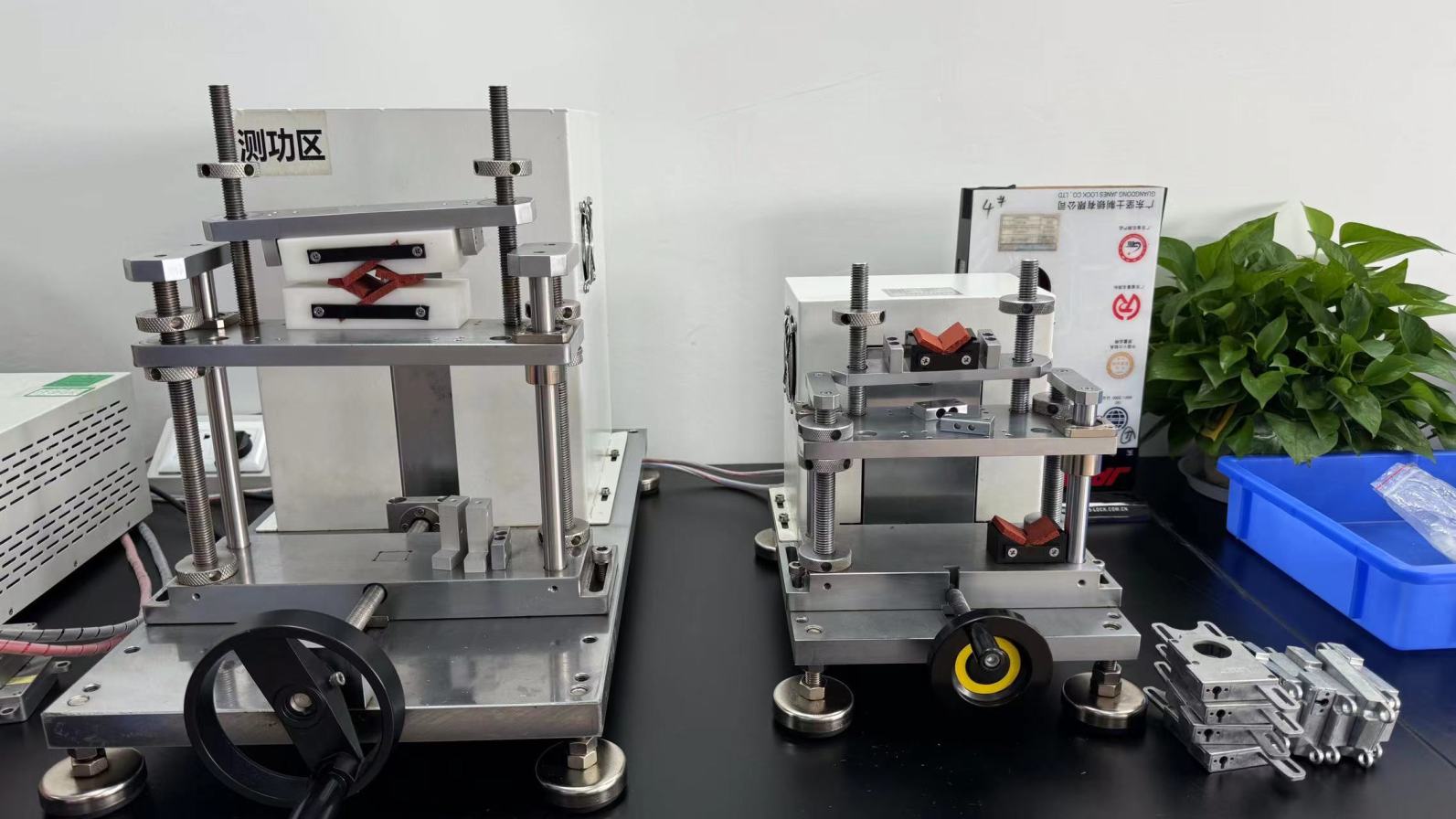
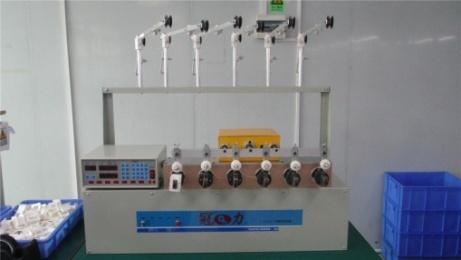
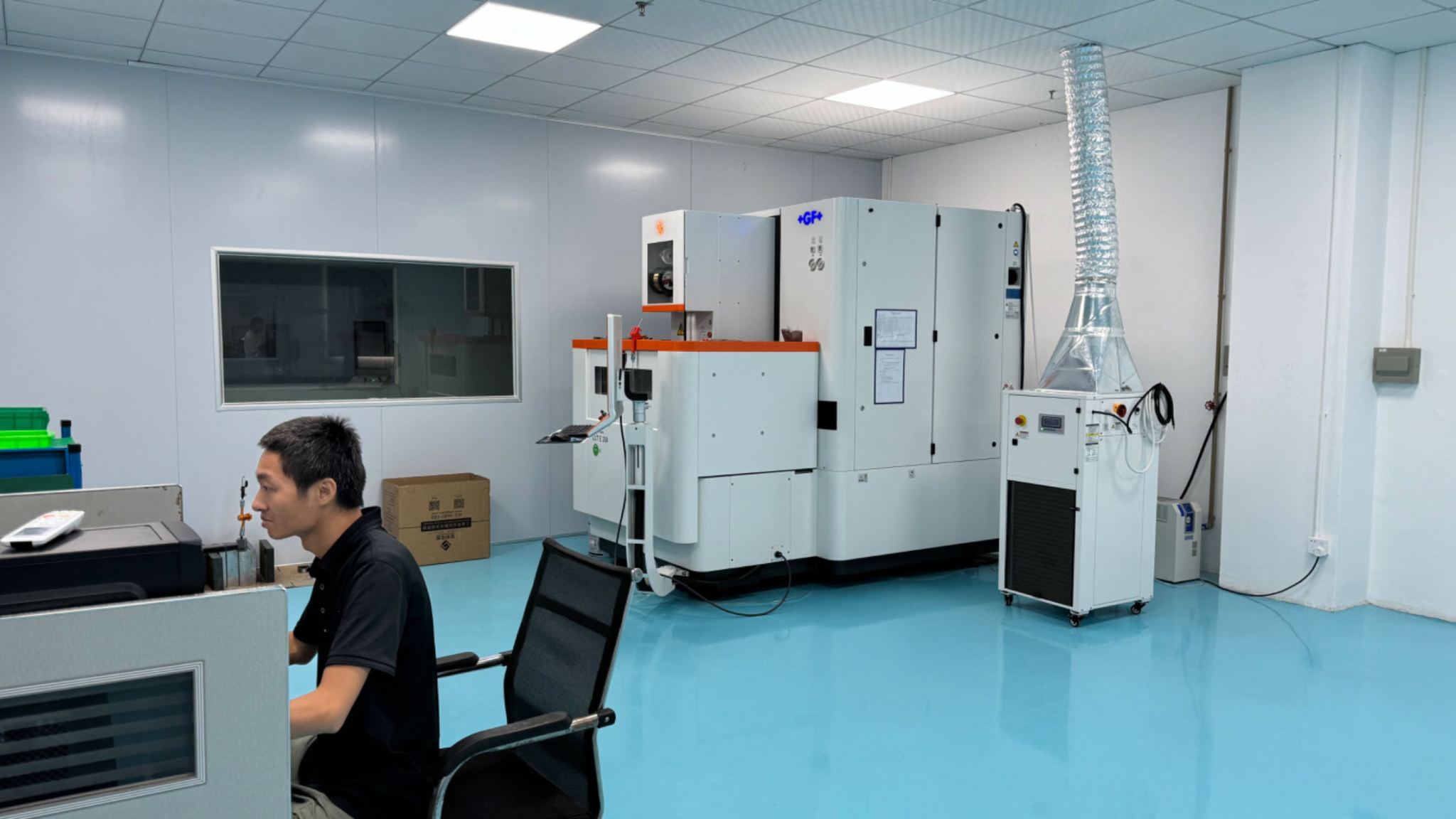
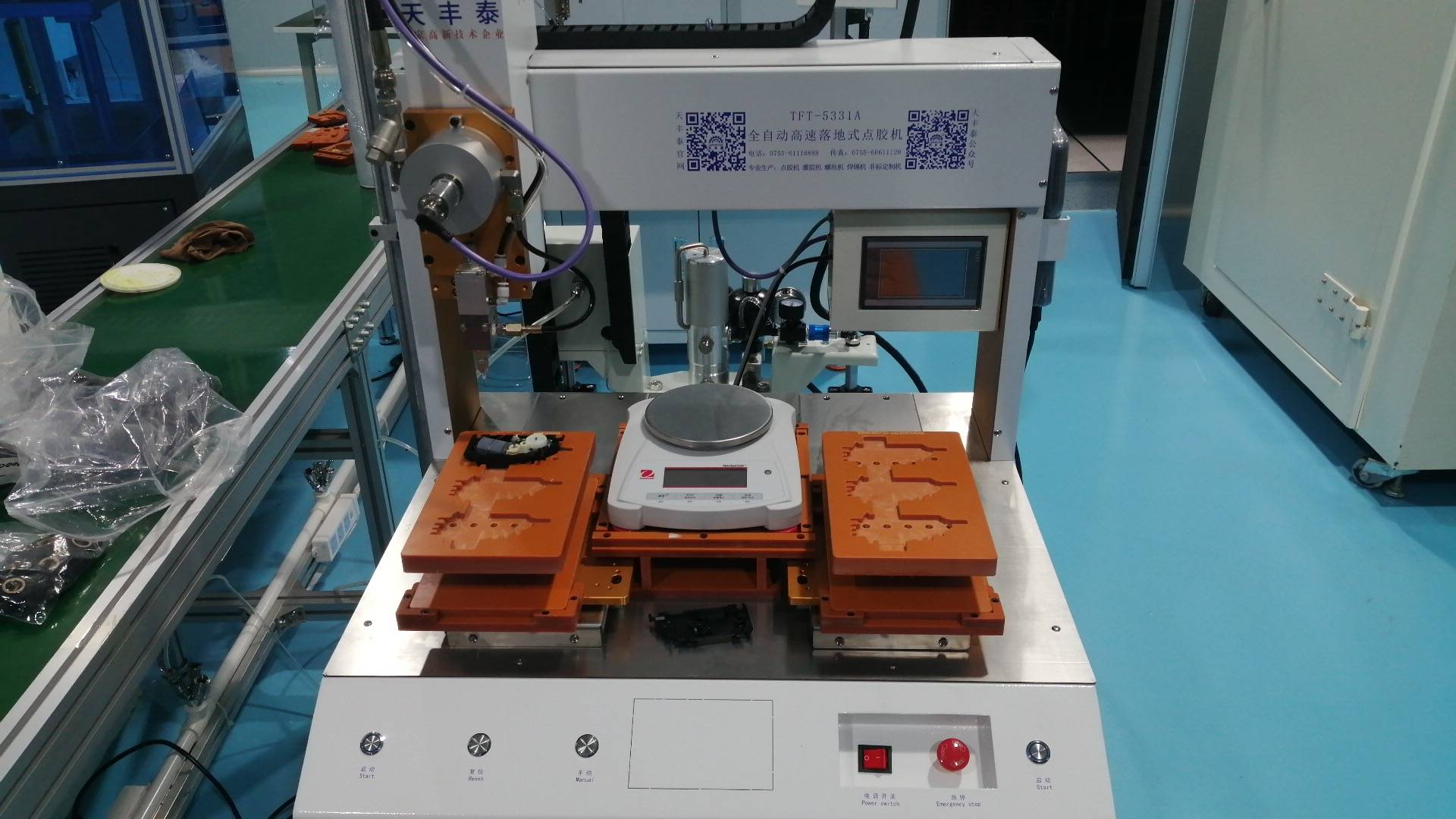
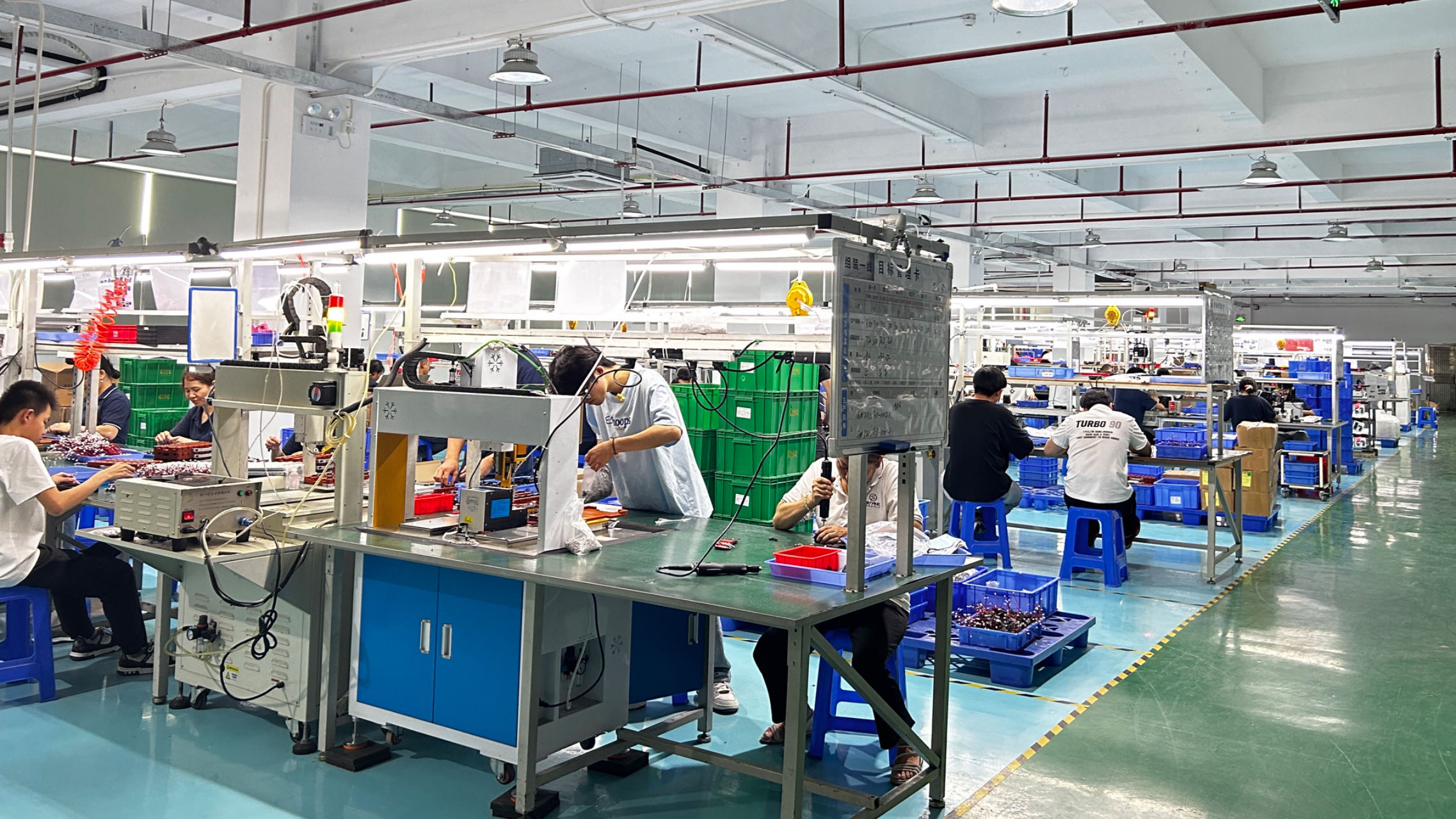
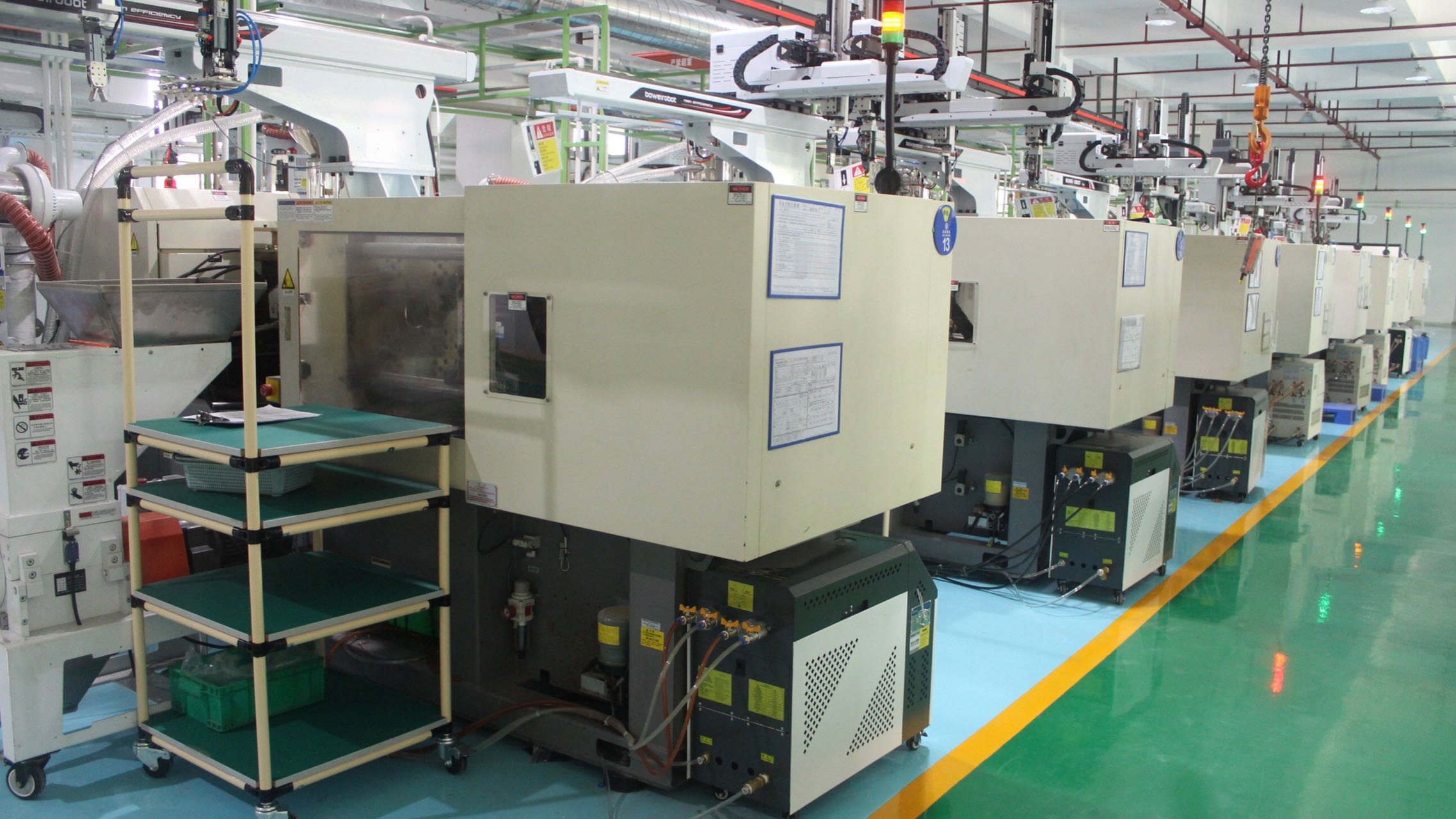
Modern Chinese motor manufacturing facilities have evolved far beyond basic assembly lines. By incorporating Industry 4.0 principles, domestic factories utilize advanced machinery, robotic winding stations, automated gear inspection machines, and state-of-the-art testing instrumentation. This structural transformation ensures high production throughput alongside exceptional consistency across large production batches.
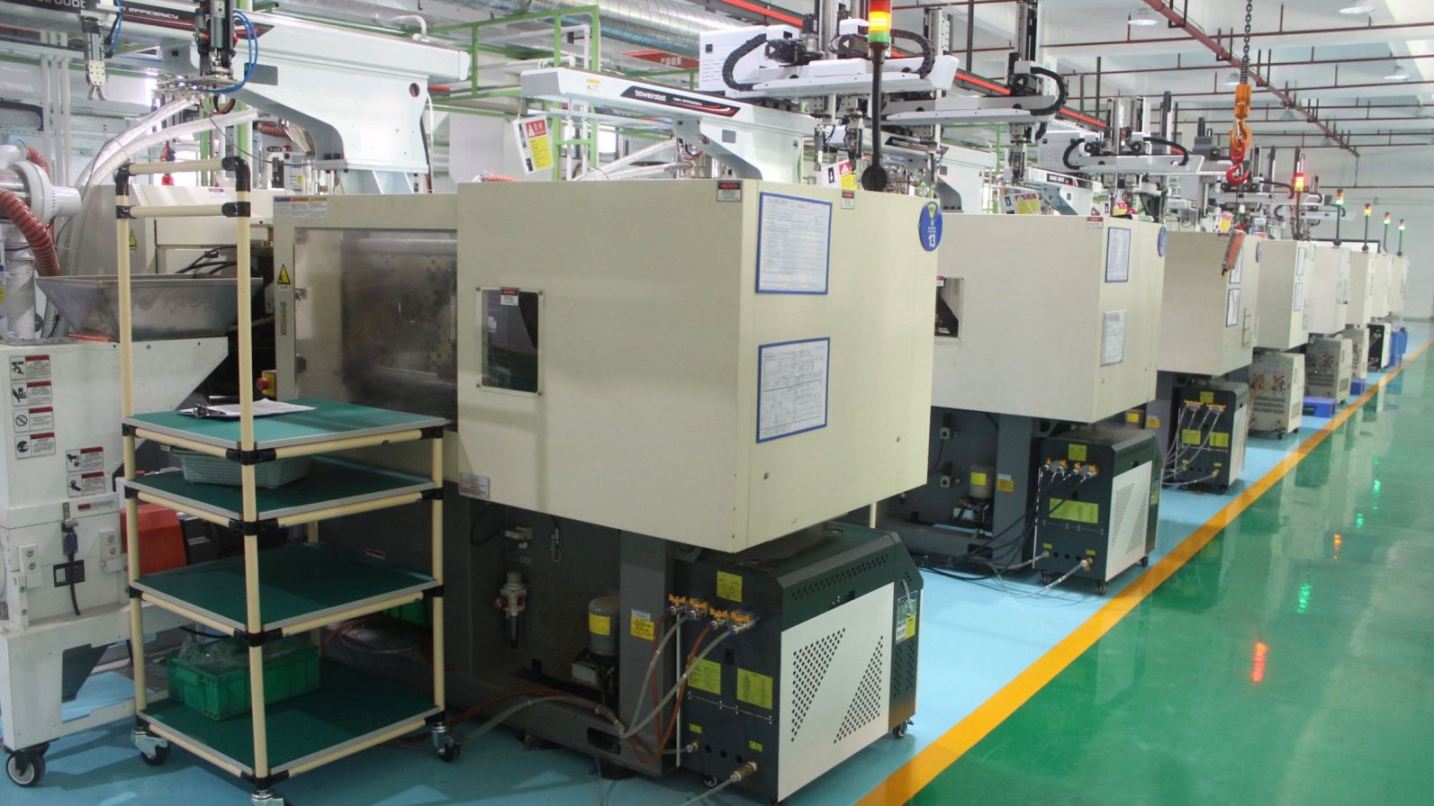
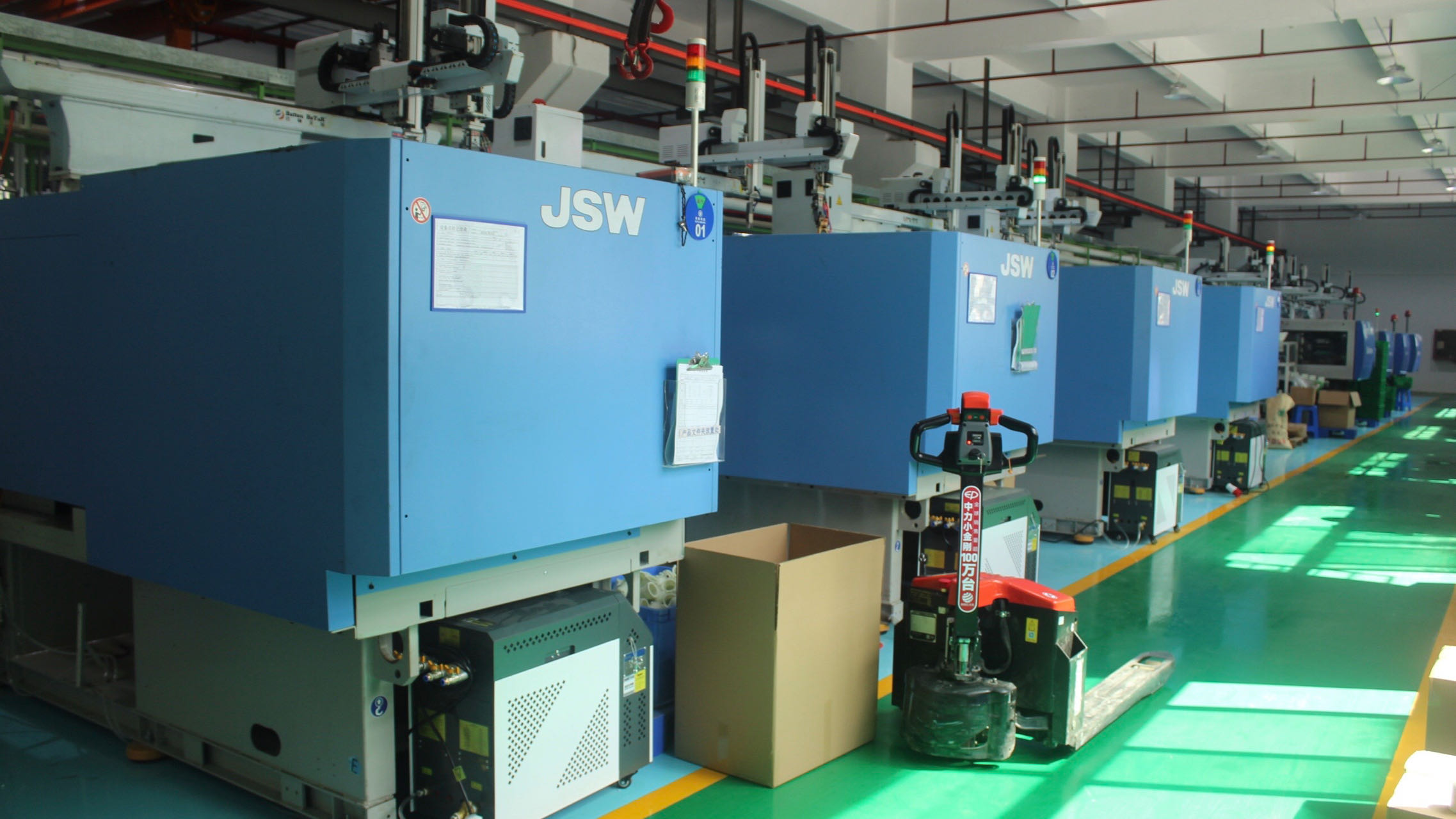
The manufacturing ecosystem in China offers unparalleled supply chain integration. Raw material processing, precision toolmaking, stamping, injection molding, and testing are often concentrated within single industrial clusters. This physical proximity drastically reduces lead times for prototype development and modifications, allowing custom motor designs to transition from drawing boards to fully verified pre-production samples in record time.
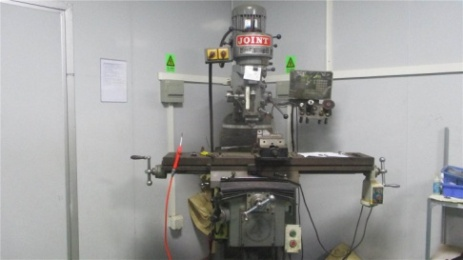
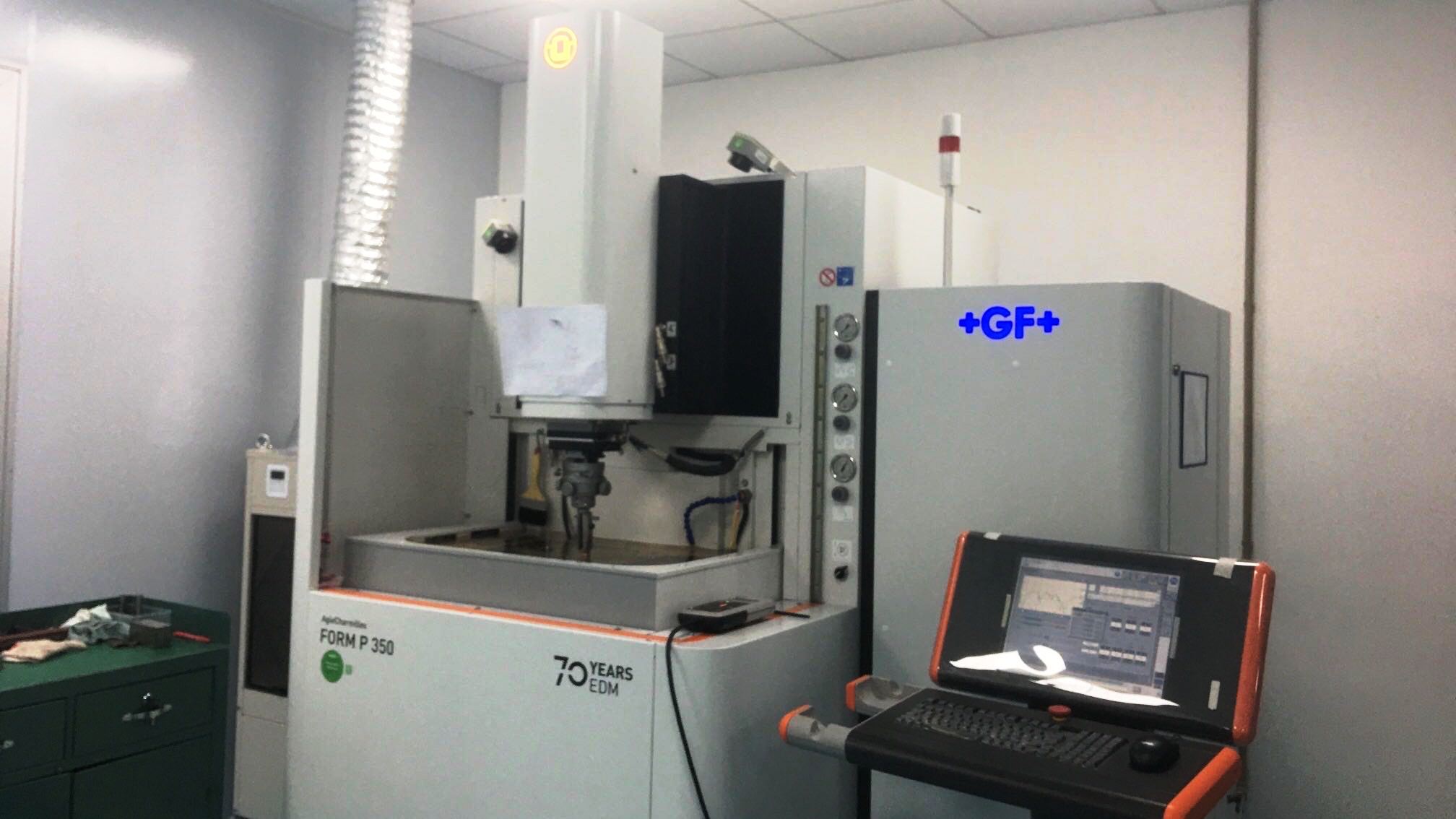
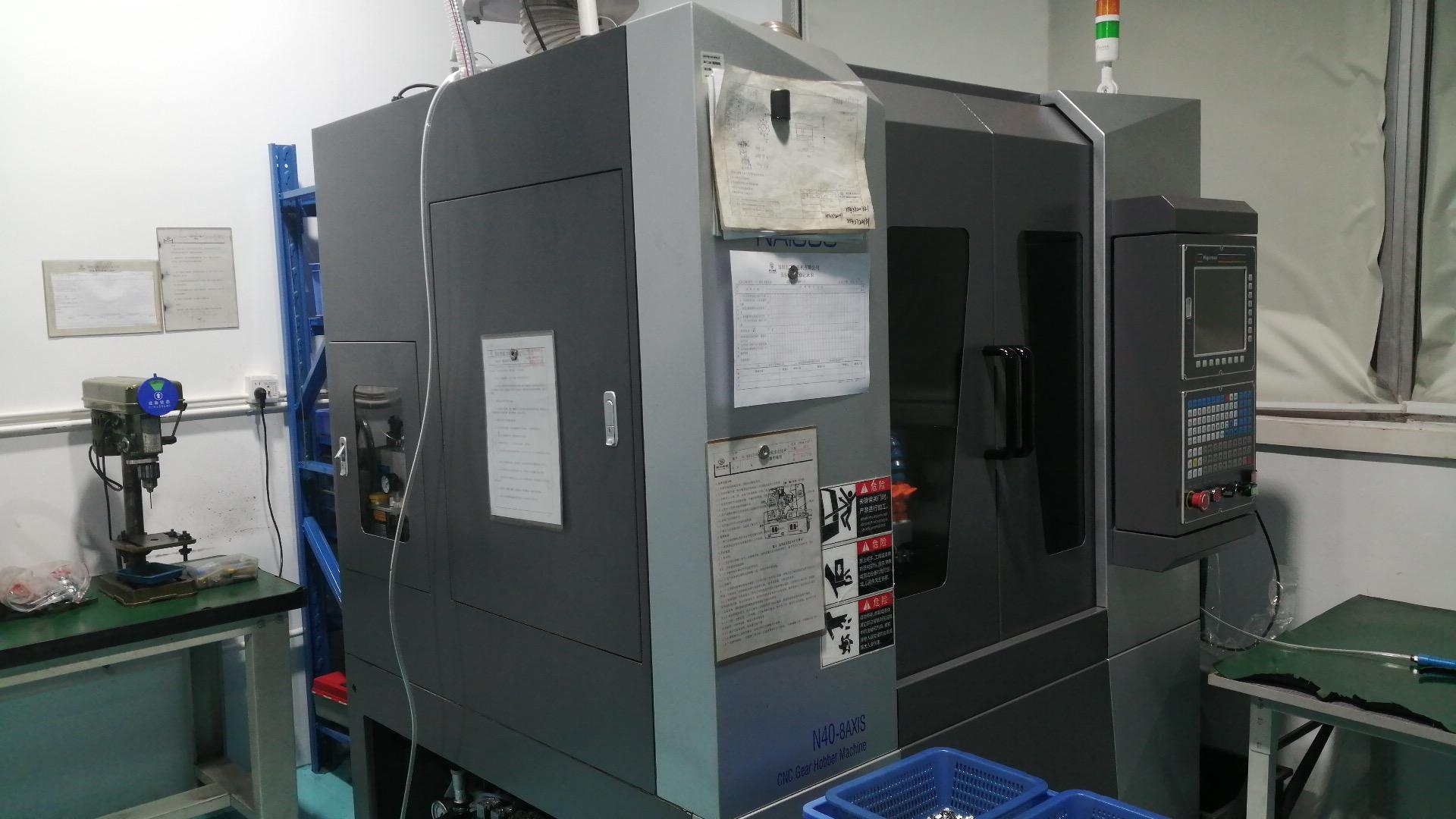
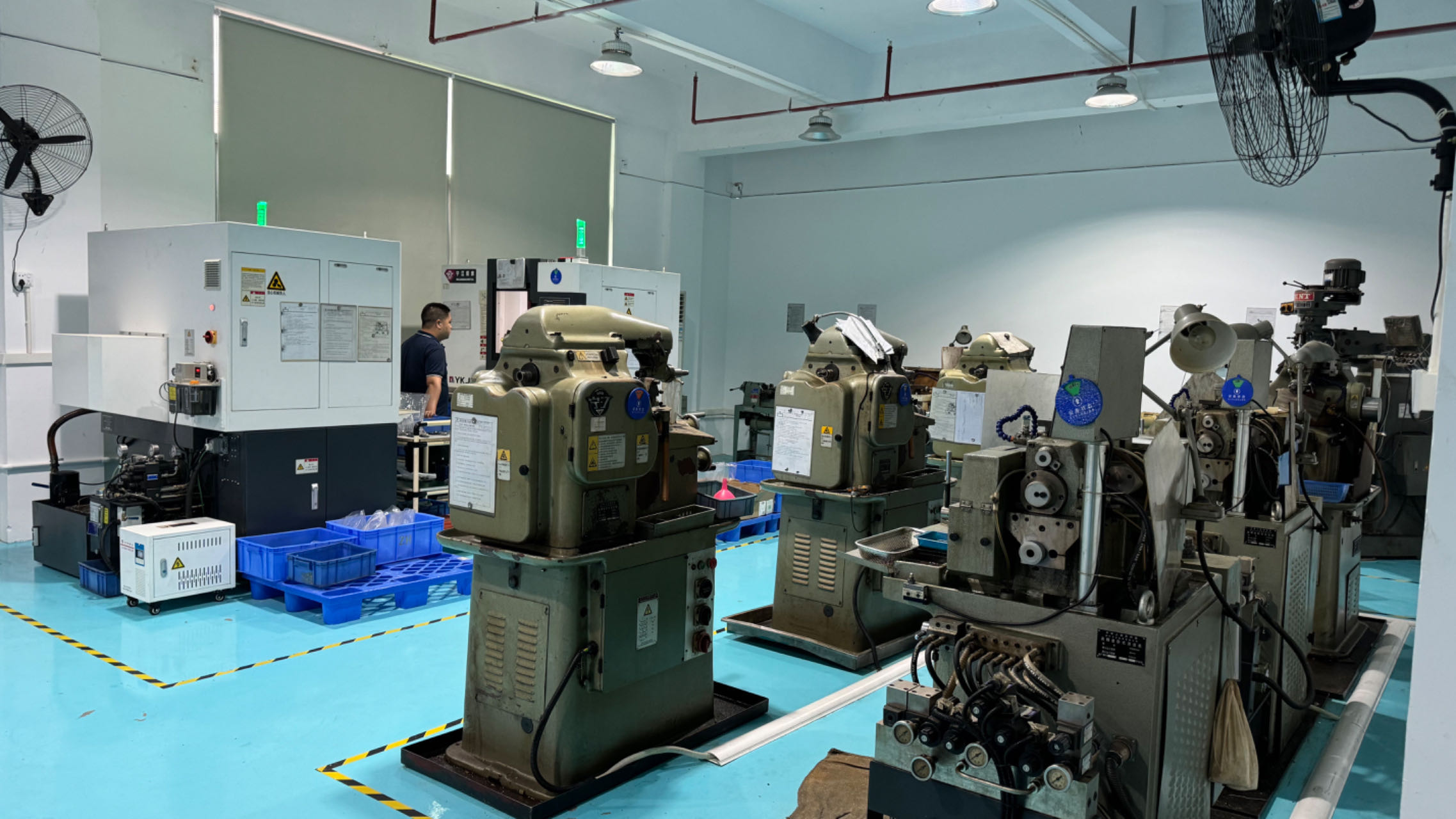
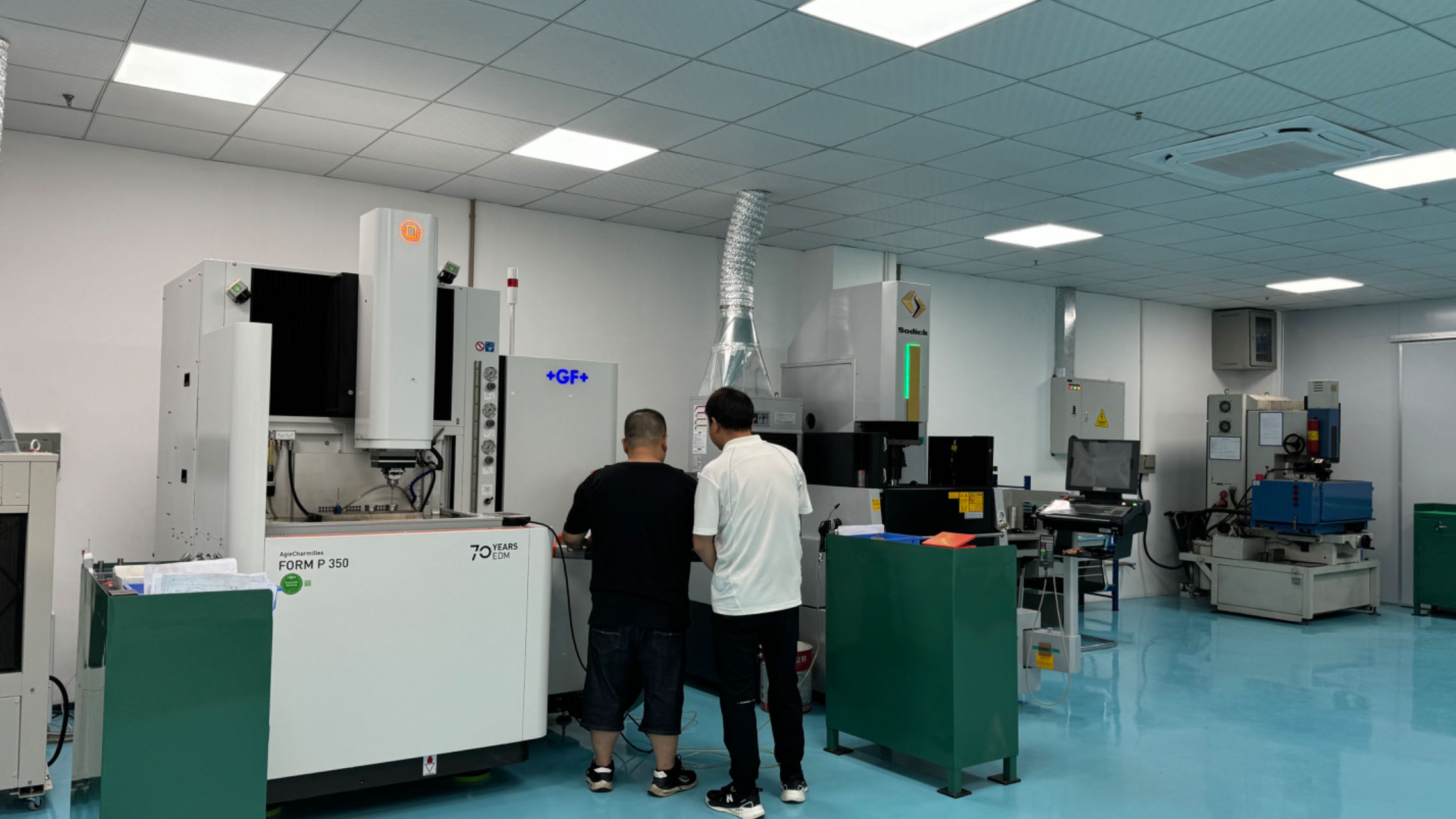
Furthermore, precision machining centers featuring high-speed gear hobbing systems, CNC wire-cut EDM, and automatic winding lines enable cost efficiencies that cannot be matched in other manufacturing corridors. By automating repetitive tasks, labor-related variables are minimized, and product reliability is maximized.
Rovix Motion: Packing Massive Torque Into Miniature Spaces
Inside a premium robotic joint, an automated medical valve, or a high-end smart lock, space is the ultimate luxury. At Rovix Motion, we measure our manufacturing success in micrometers and decibels. Our mission is to take advanced, heavy-duty rotational power and compress it into the most compact, energy-efficient footprints imaginable.
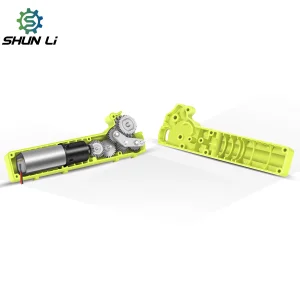
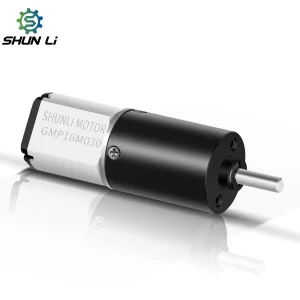
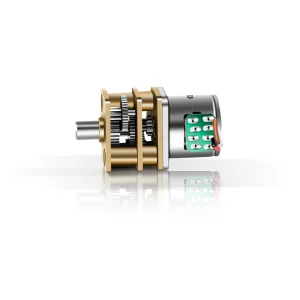
Our expertise lies in the micro-details of motion control. From precision-wound copper rotors and high-purity commutators to zero-backlash planetary gear trains, every single internal component of a Rovix Motion motor is optimized to eliminate friction and maximize heat dissipation. By combining advanced automated Swiss-style hobbing with Japanese dynamic balancing, we ensure our micro drives deliver the fluid, whispering-quiet power your brand promises. When your next high-tech innovation relies on repeated mechanical perfection, let Rovix Motion be the core that spins it forward.
4. Advanced Manufacturing Processes & Machinery
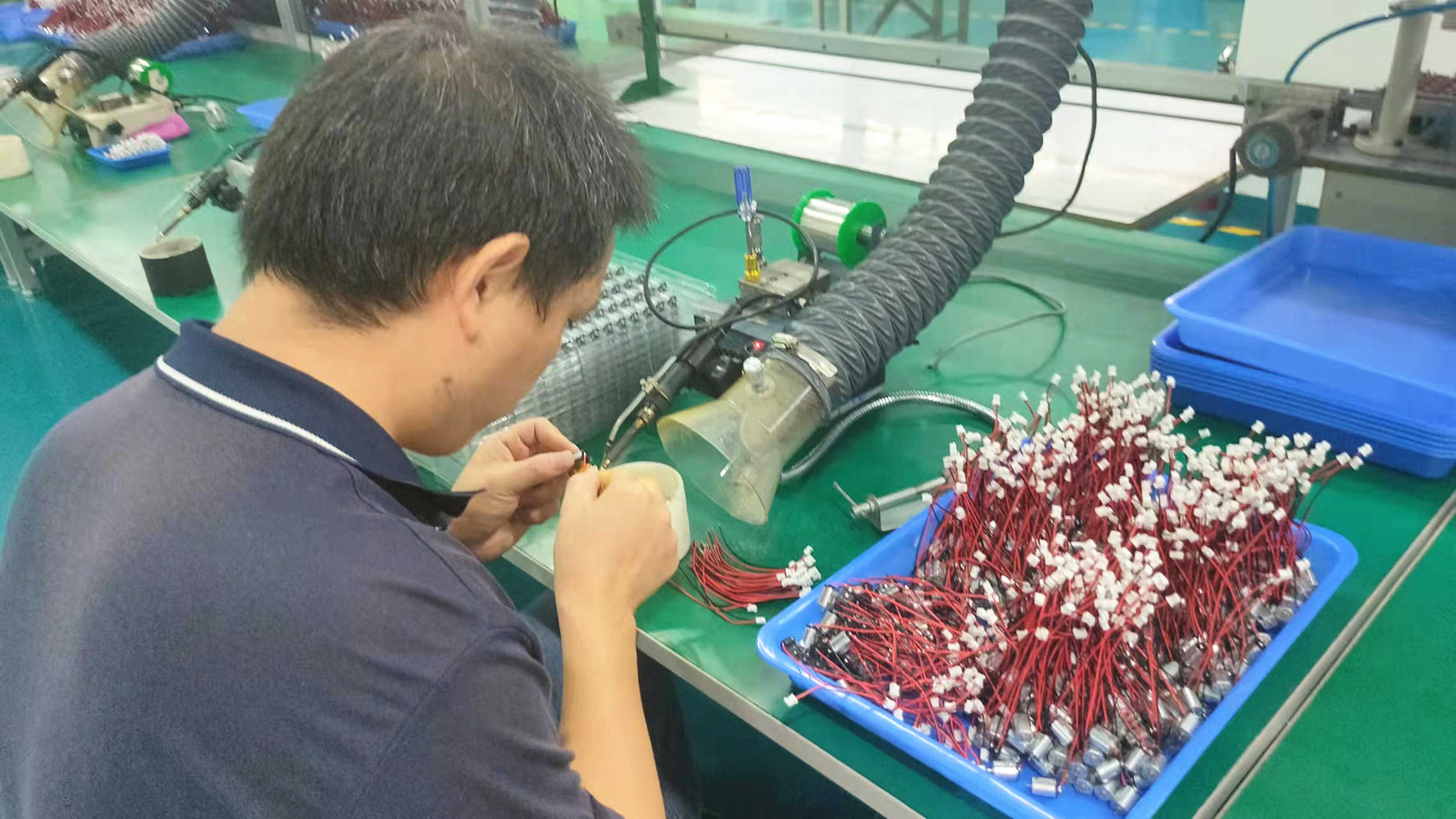
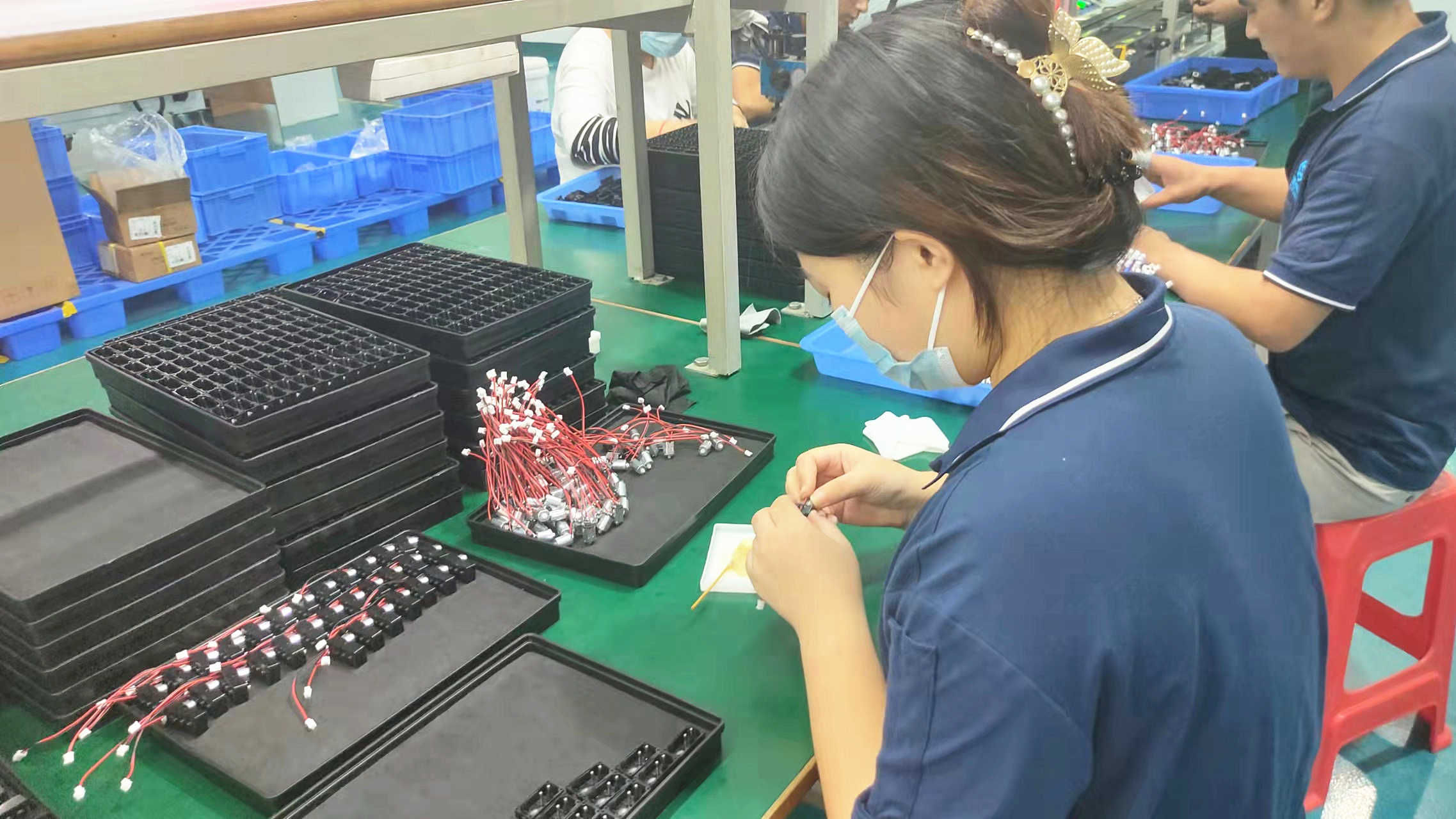
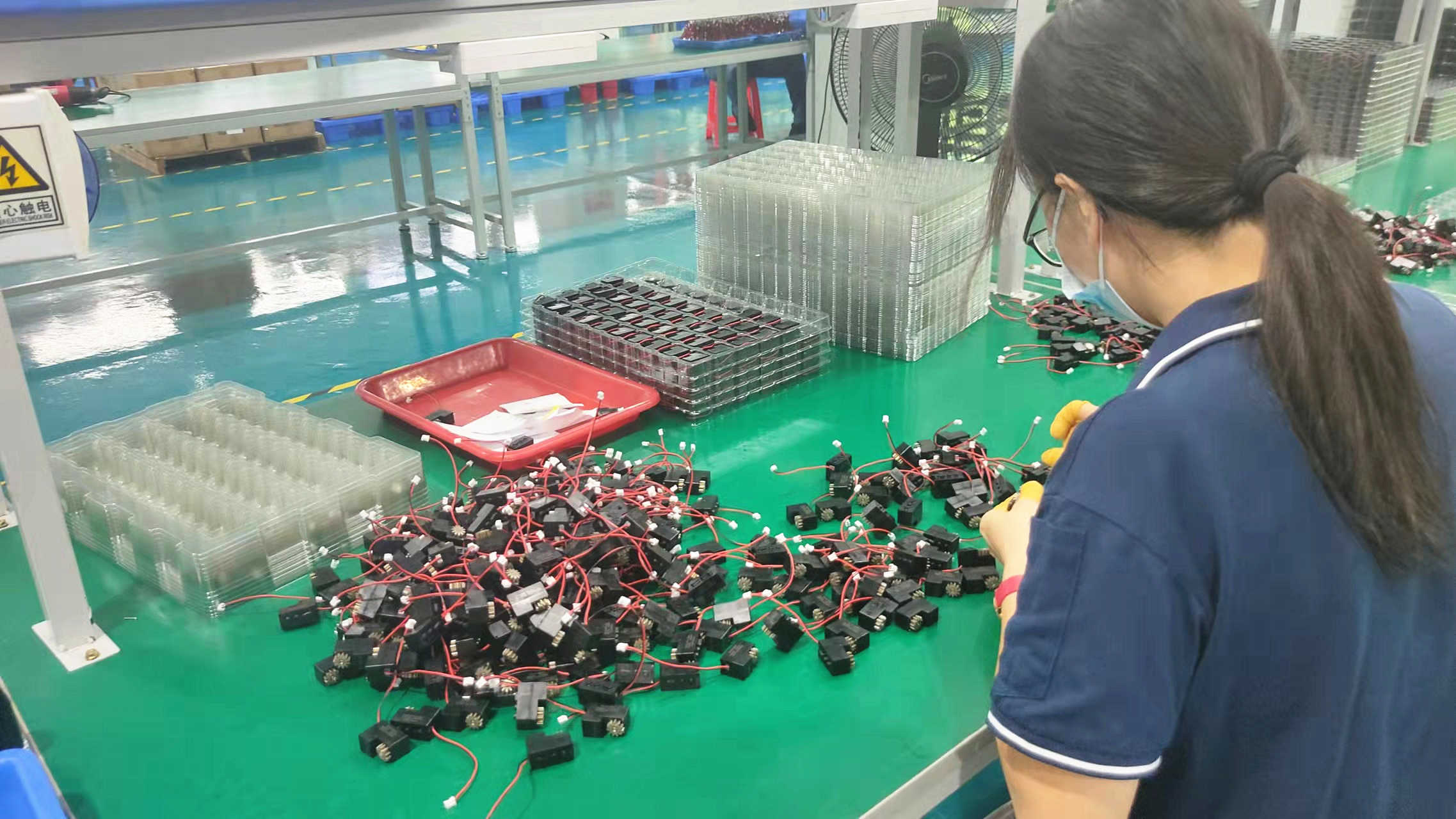
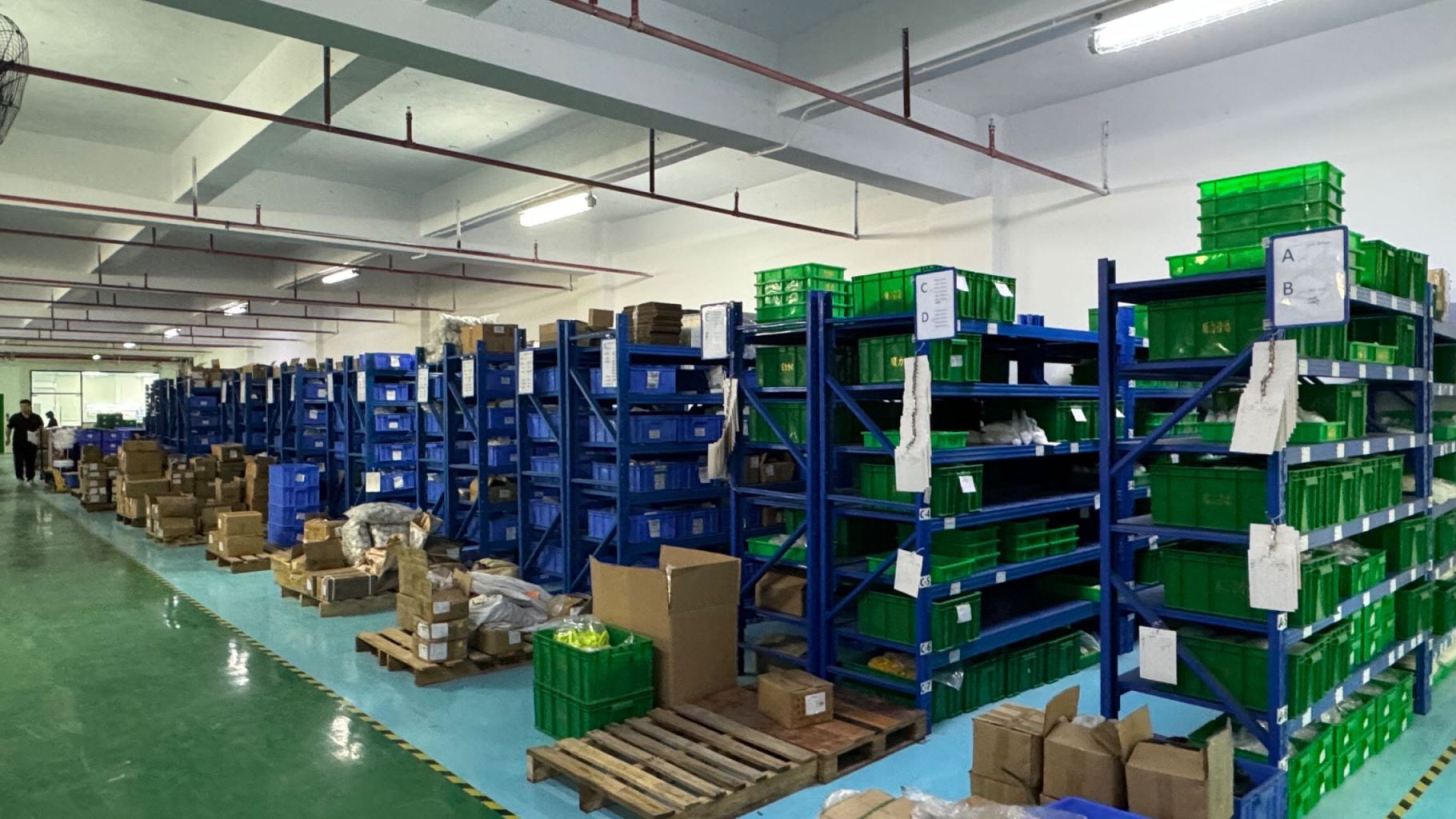
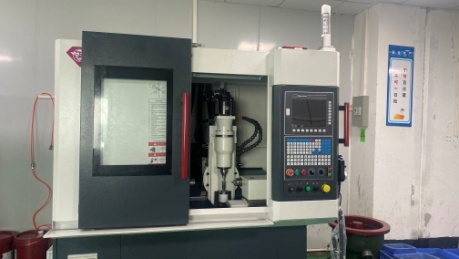
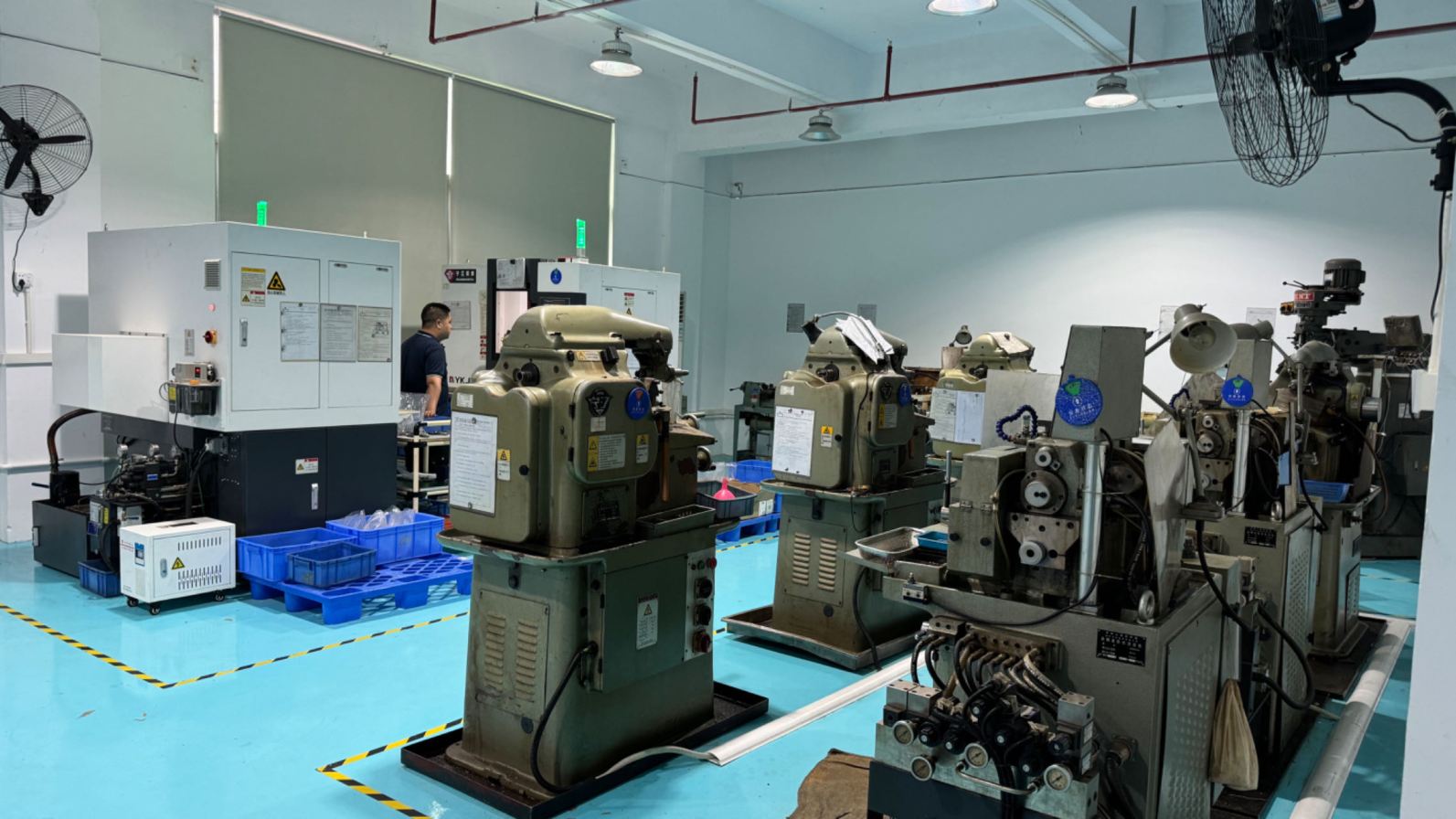
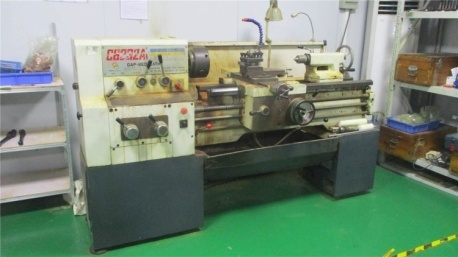
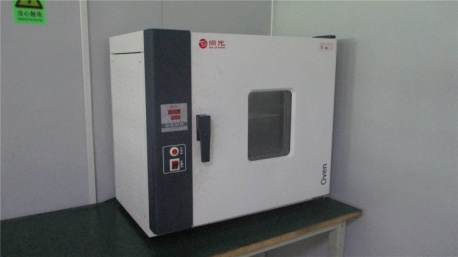
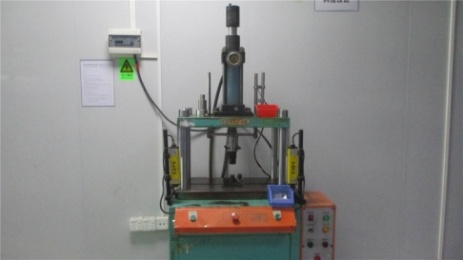
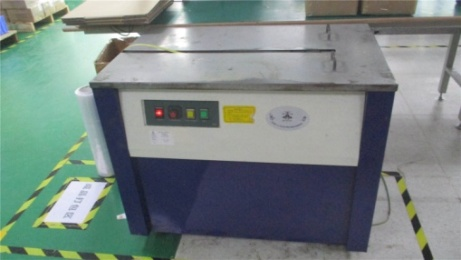
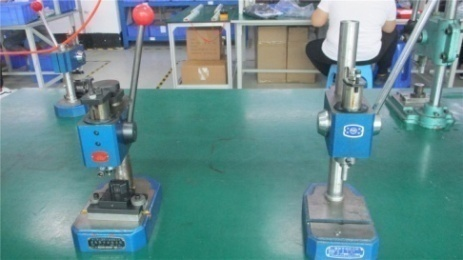
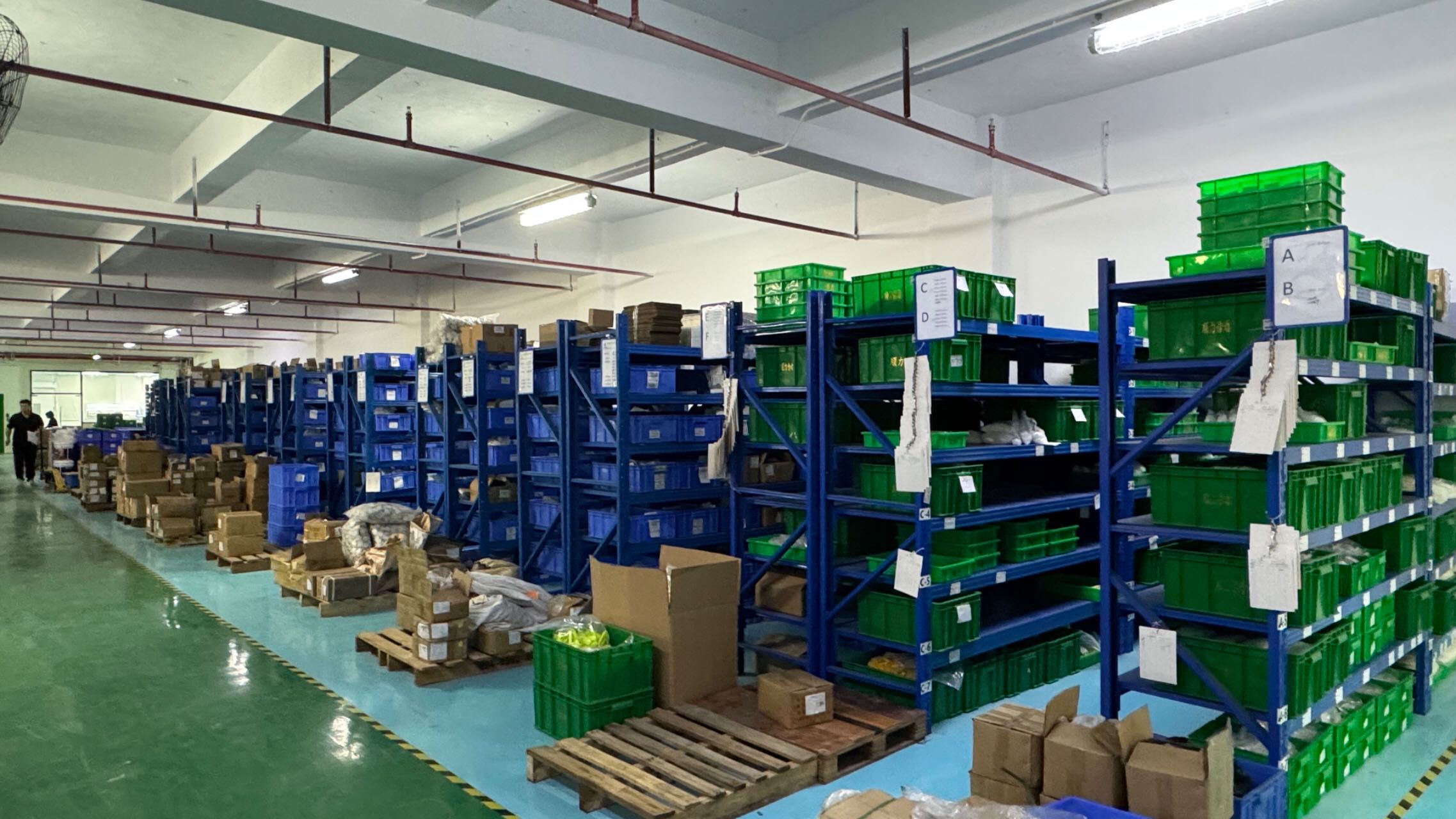
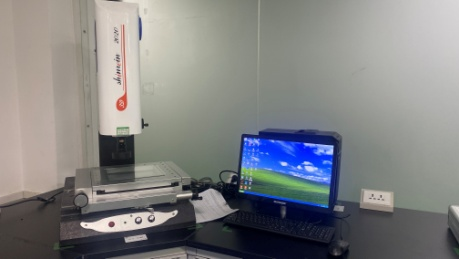
Our manufacturing and engineering operations are backed by a robust suite of industrial equipment. This specialized hardware guarantees repeatable tolerances, tight mechanical alignments, and consistent structural outputs throughout high-volume production cycles.

5. Comprehensive QC Systems & Testing Verification
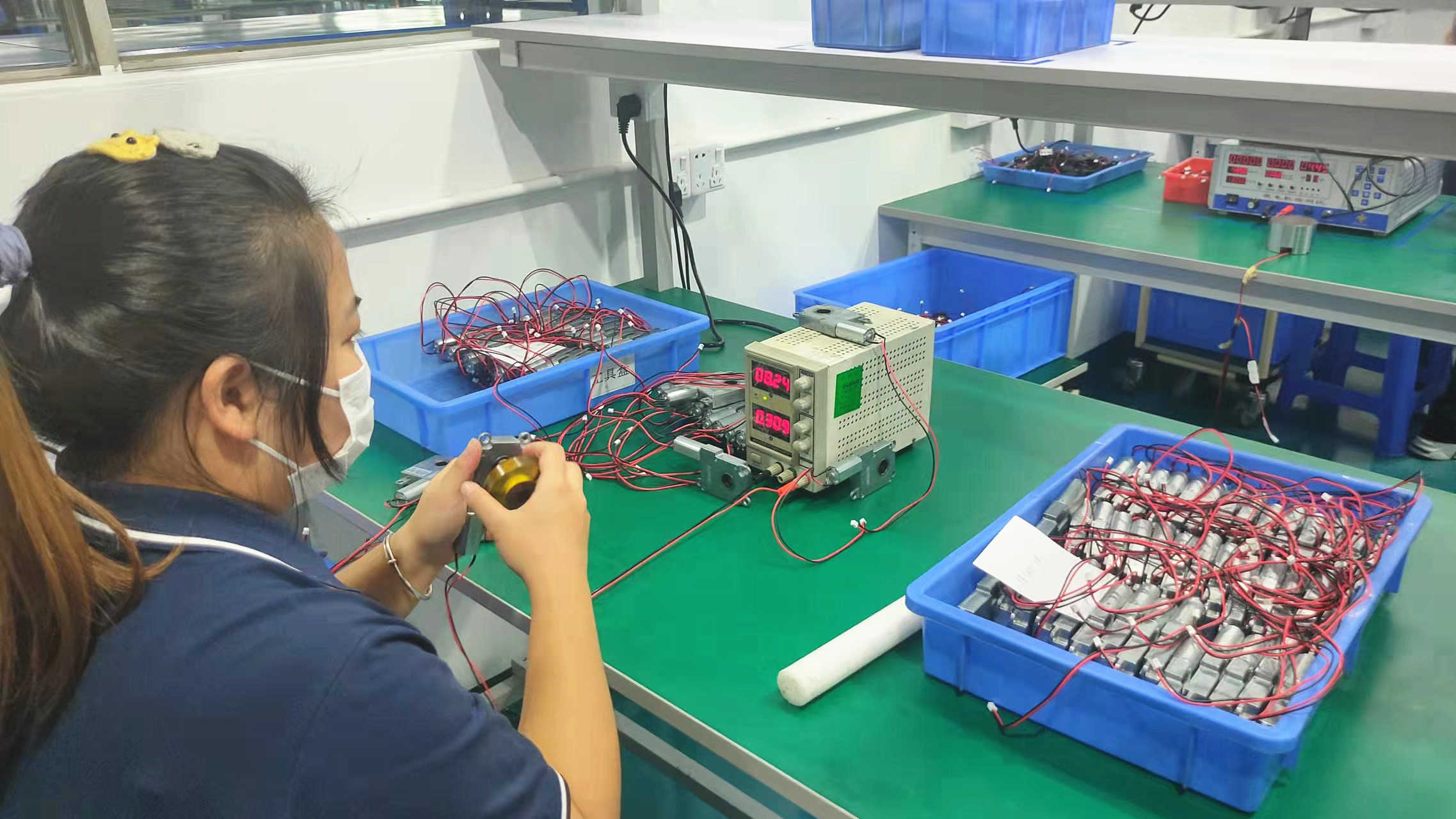
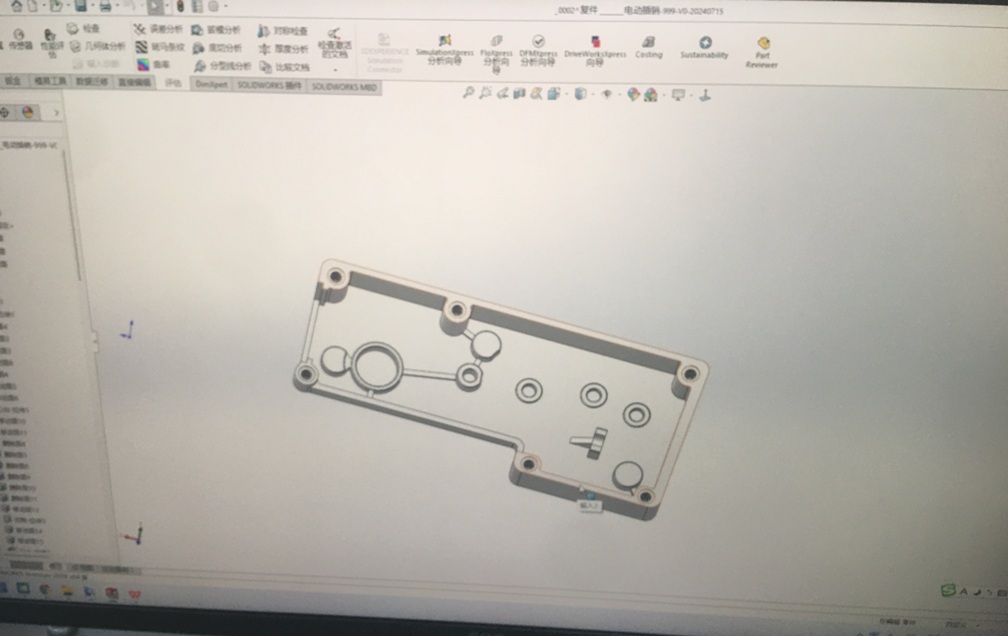
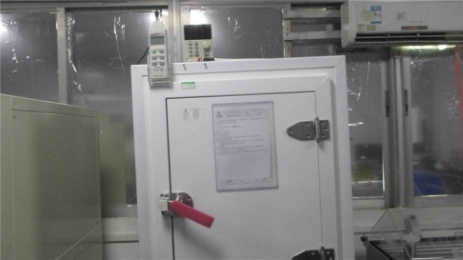
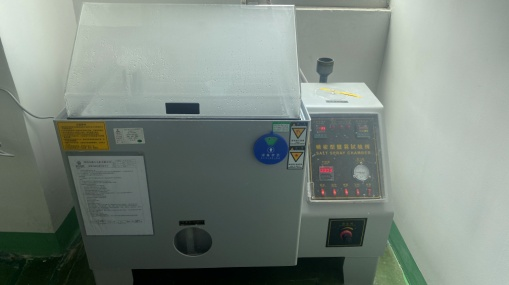
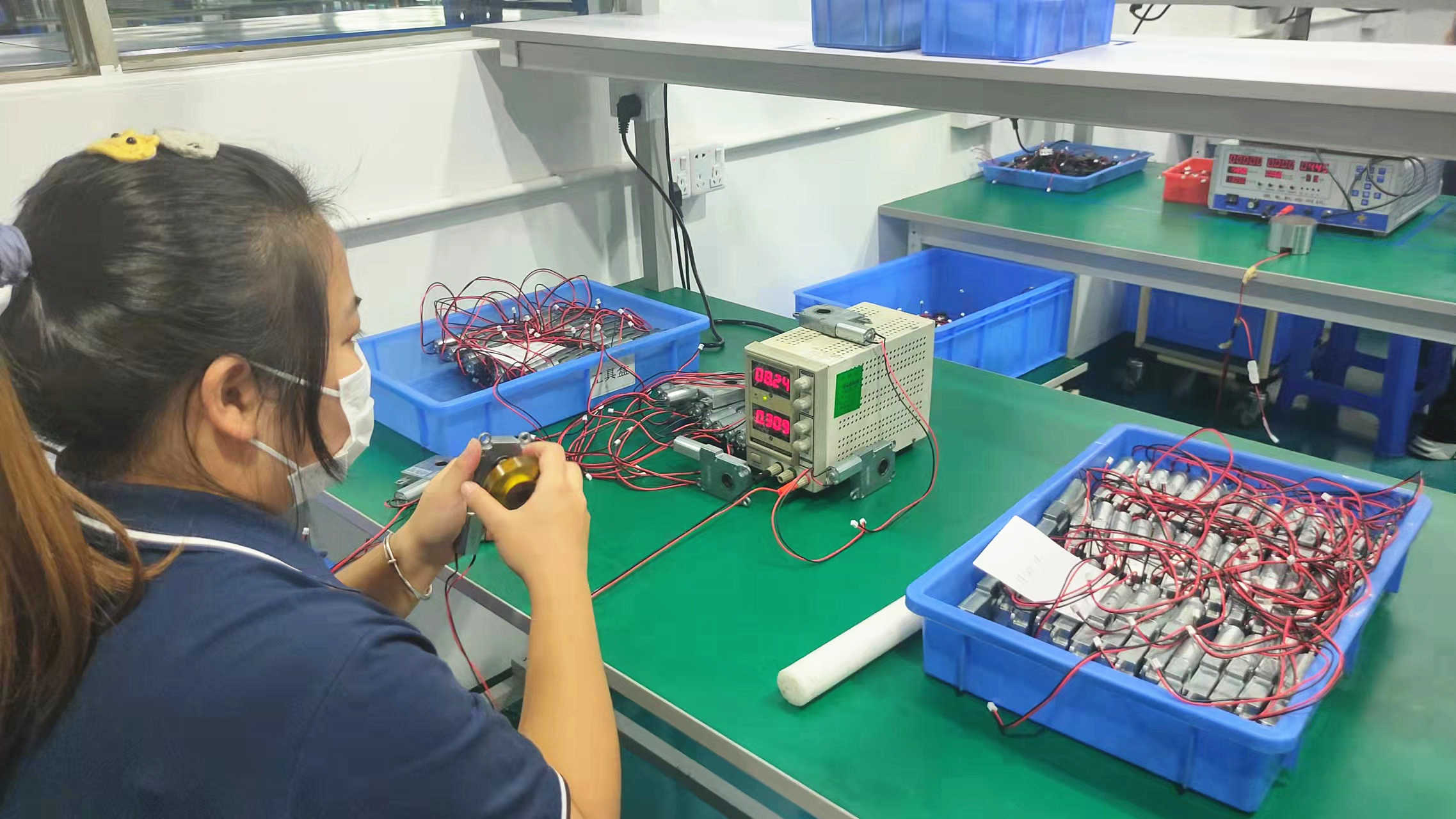
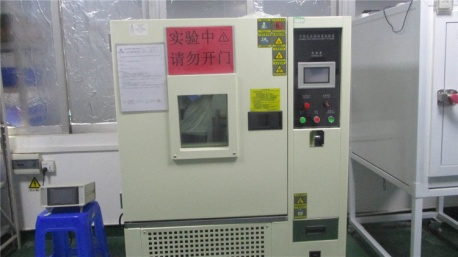
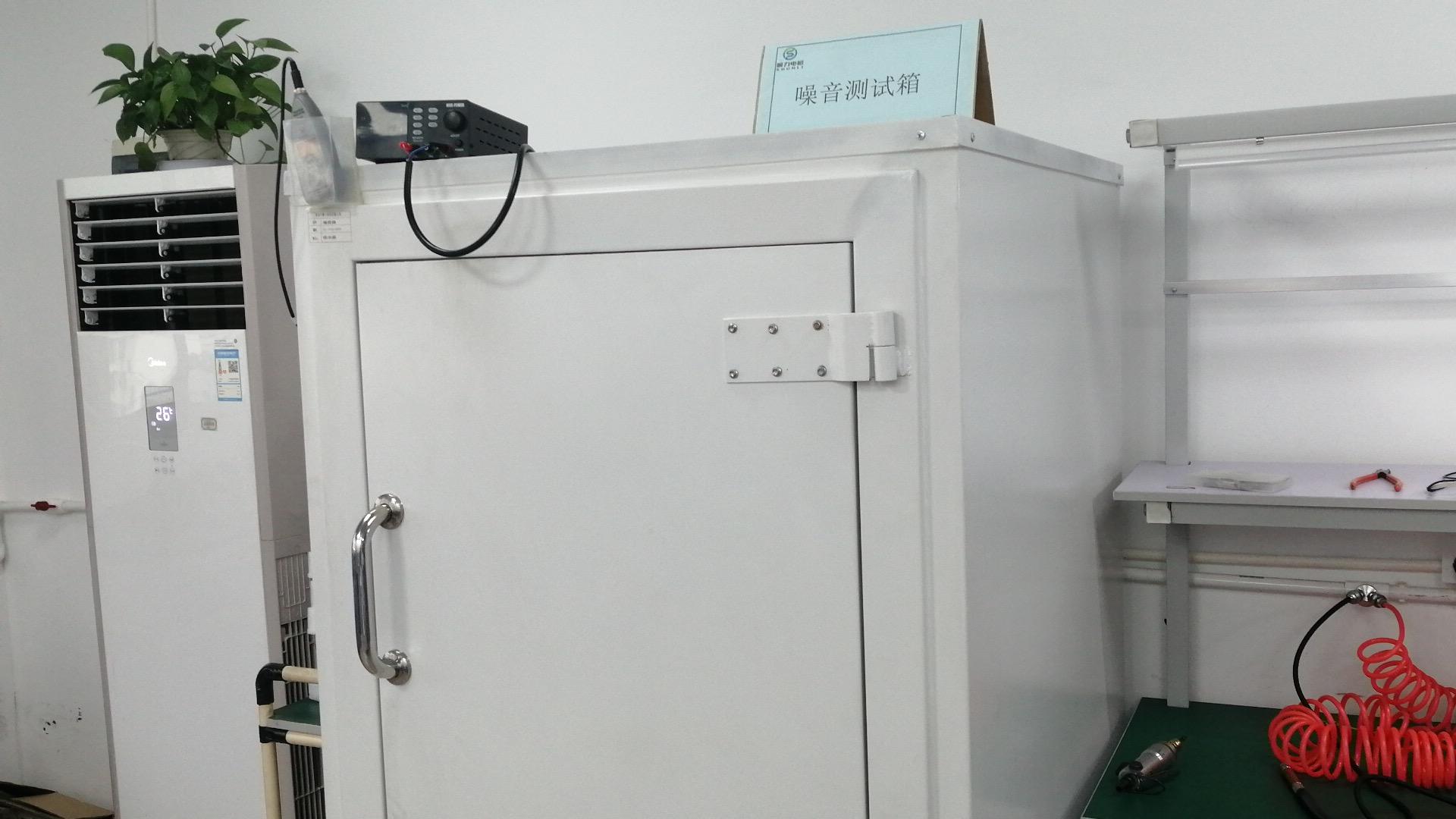
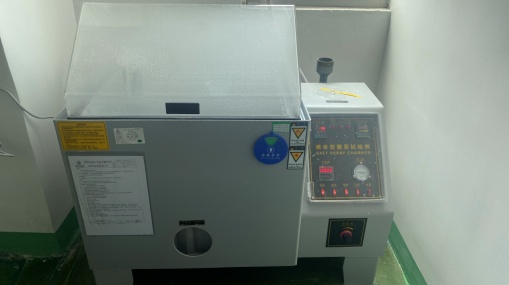
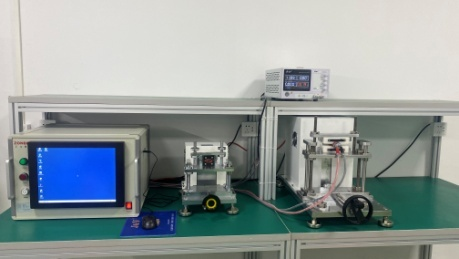
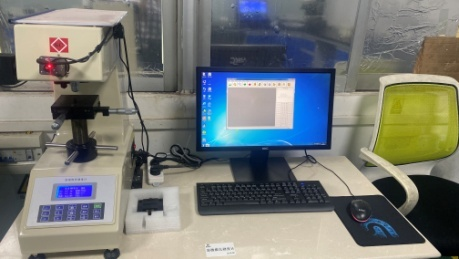
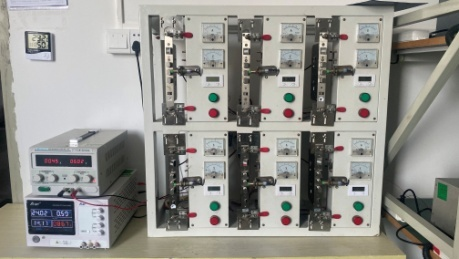
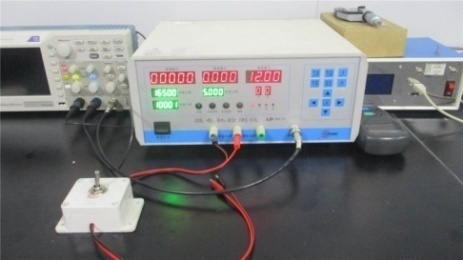
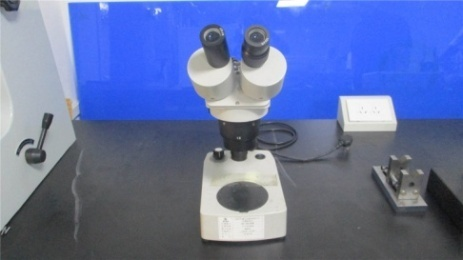
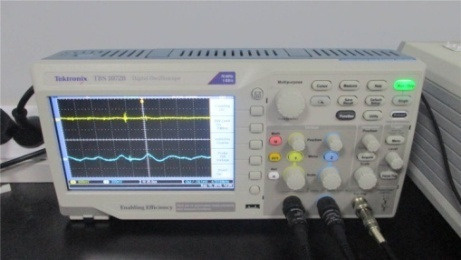
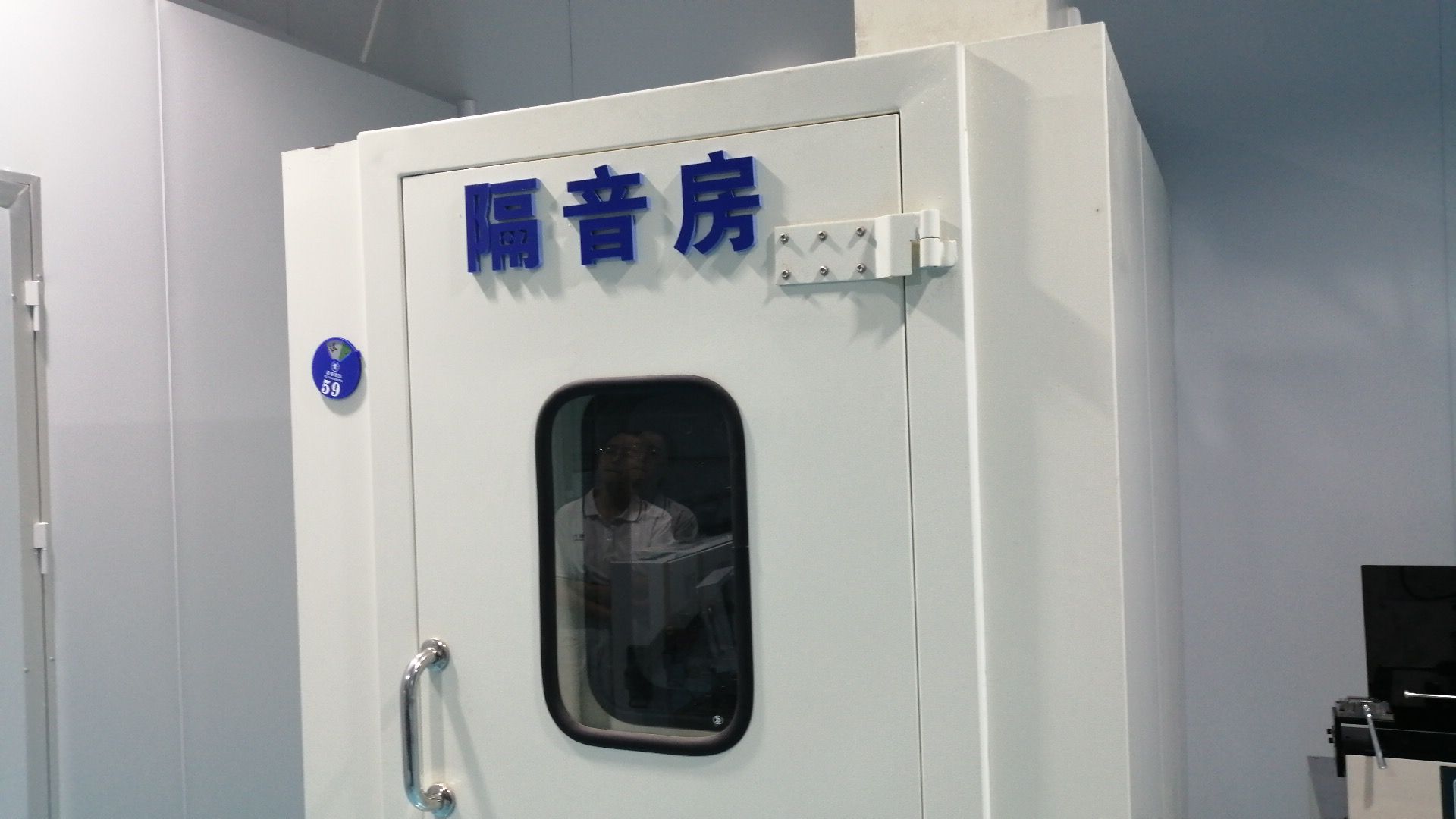
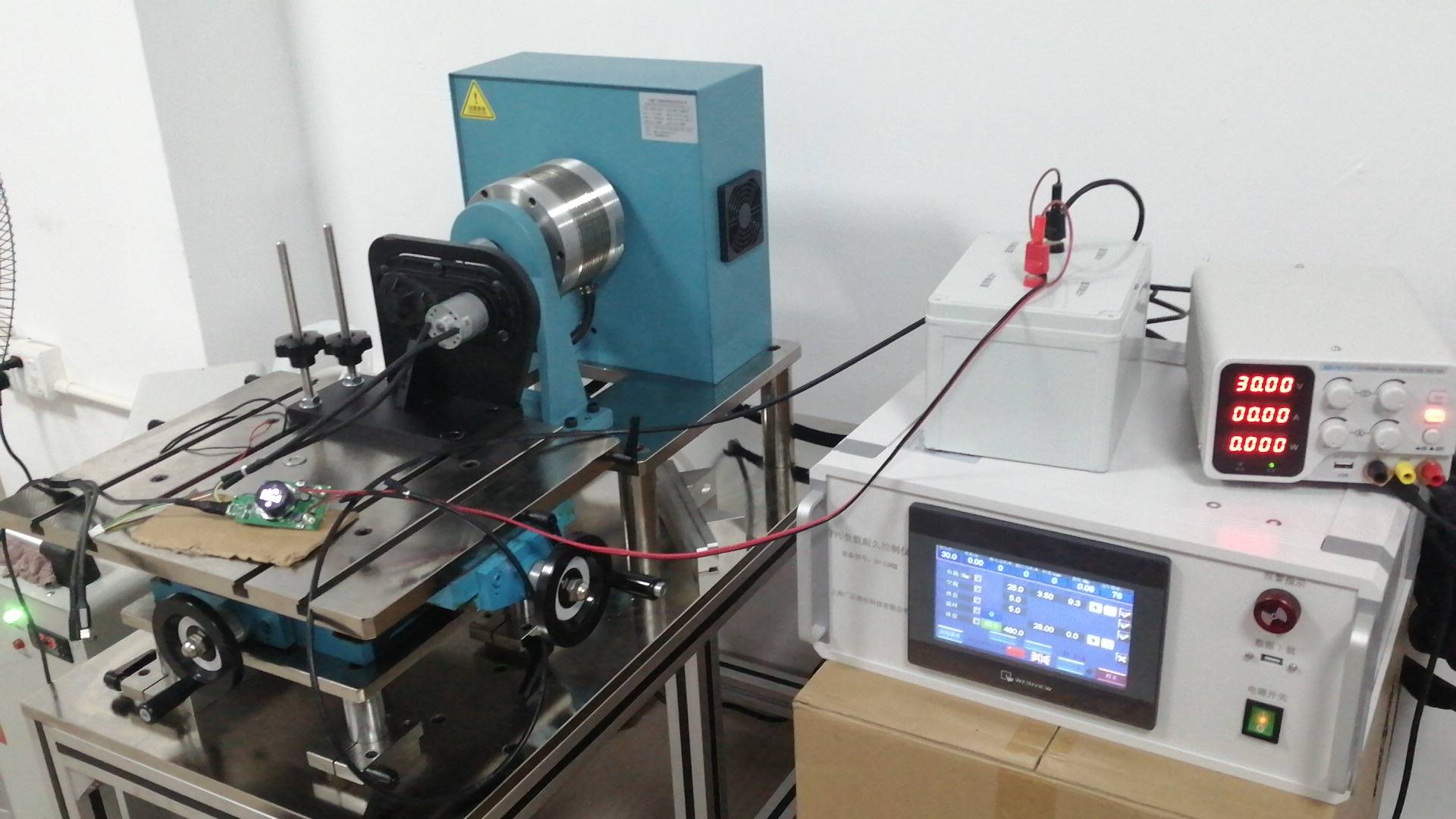
Every motor batch undergoes thorough verification inside dedicated quality control facilities. Mechanical testing equipment validates parameters like shaft runout and backlash. Electrical testing equipment assesses insulation integrity and tests current draw. Comprehensive environmental chambers simulate harsh operating conditions. Sourcing managers can rely on complete traceability and testing data from design through to shipping.
6. Localized Application Scenarios
The applications for custom OEM micro and gear motors are diverse, spanning multiple industrial, commercial, and consumer categories. Each application presents specific mechanical constraints and performance challenges:
- Medical Pumps and Diagnostic Gear: Low vibration and minimal noise levels are critical parameters in patient care environments. Standard brushed configurations are typically bypassed in favor of coreless BLDC motors equipped with custom-ground spur gearboxes to reduce mechanical whine.
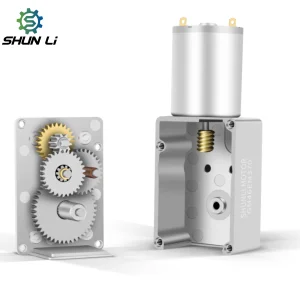
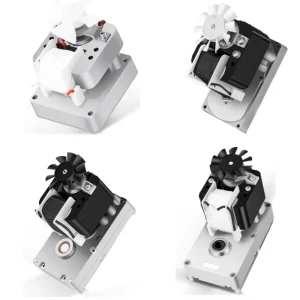
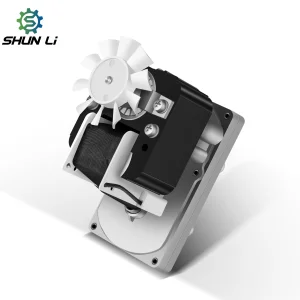
- Commercial Vending and Dispensing: These environments present high starting torque requirements under heavy loads, combined with limited installation space. Customized 12V and 24V worm gear motors provide a self-locking mechanical state, preventing drive back-driving when the power supply is cut.
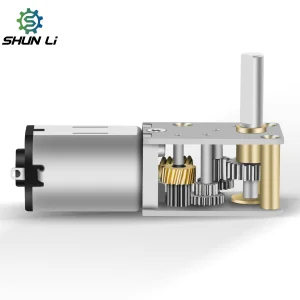
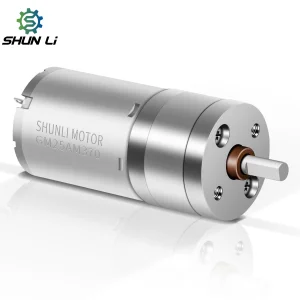
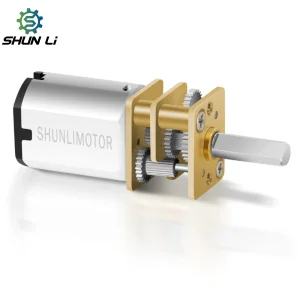
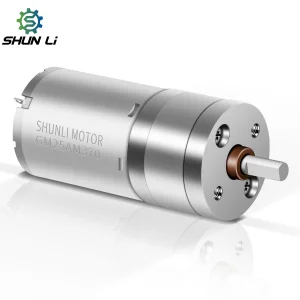
- Smart Home Automation & Locks: Precision micro-actuators require high starting torque within miniature spaces. For instance, N20 micro motors with customized metal gearheads supply the high force required to operate lock bolts reliably, while maintaining an extremely small footprint.
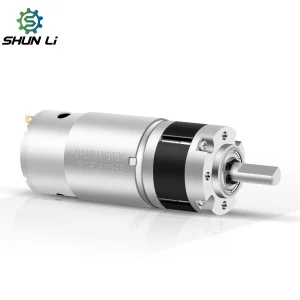
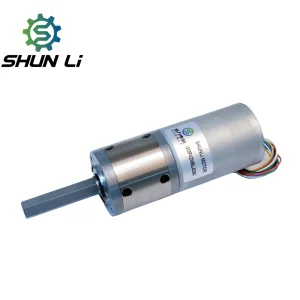
- Industrial Robotics and Joint Actuation: Planetary gear trains with minimal backlash are matched with encoder-equipped DC motors. These configurations allow precise angular positioning and high output torque, enabling smooth movements for robotic arms and automated guided vehicles (AGVs).